Lean
Purposeful Lighting:
Design a lighting fixture that creates or uses light for a specific purpose.
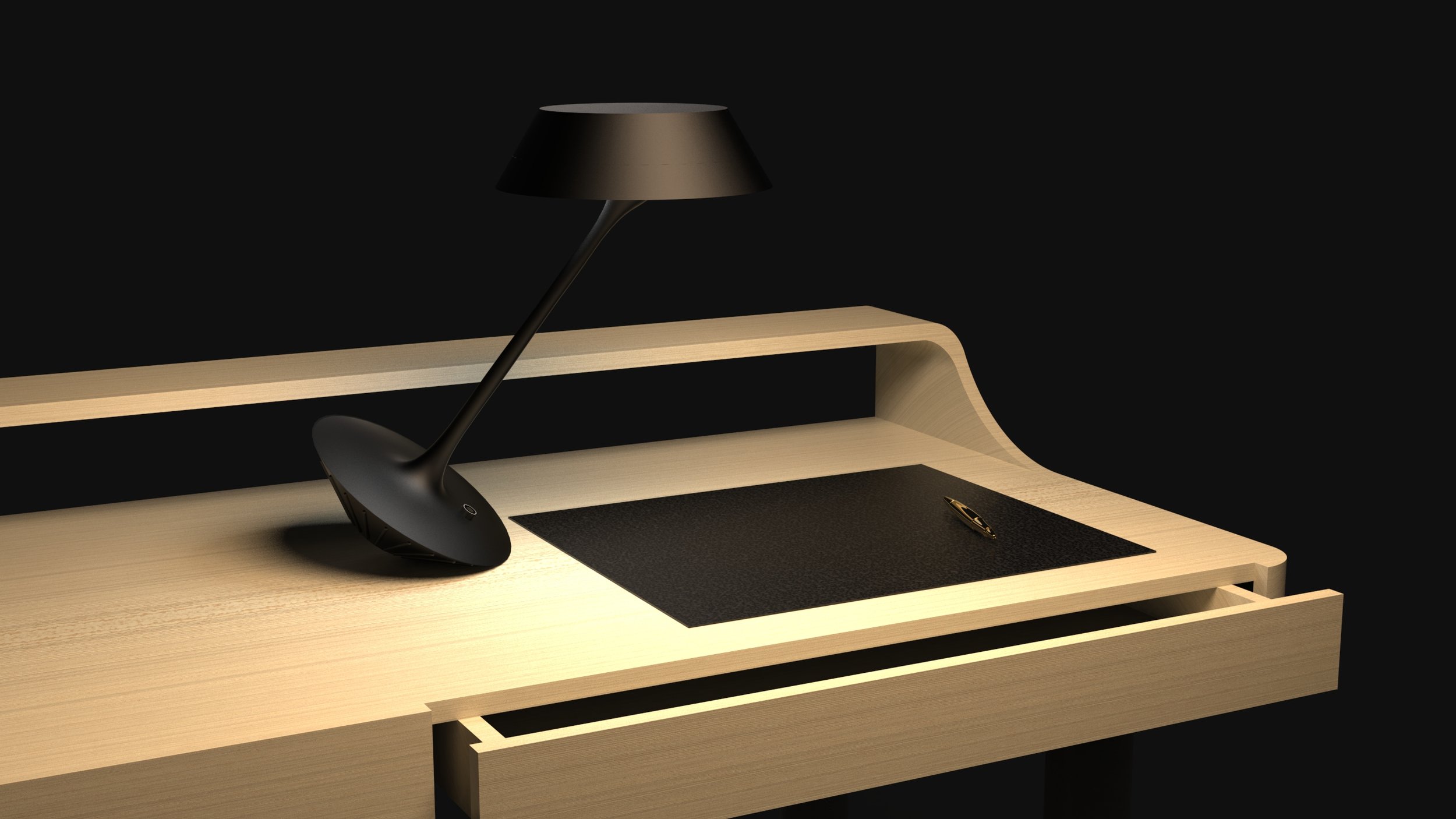
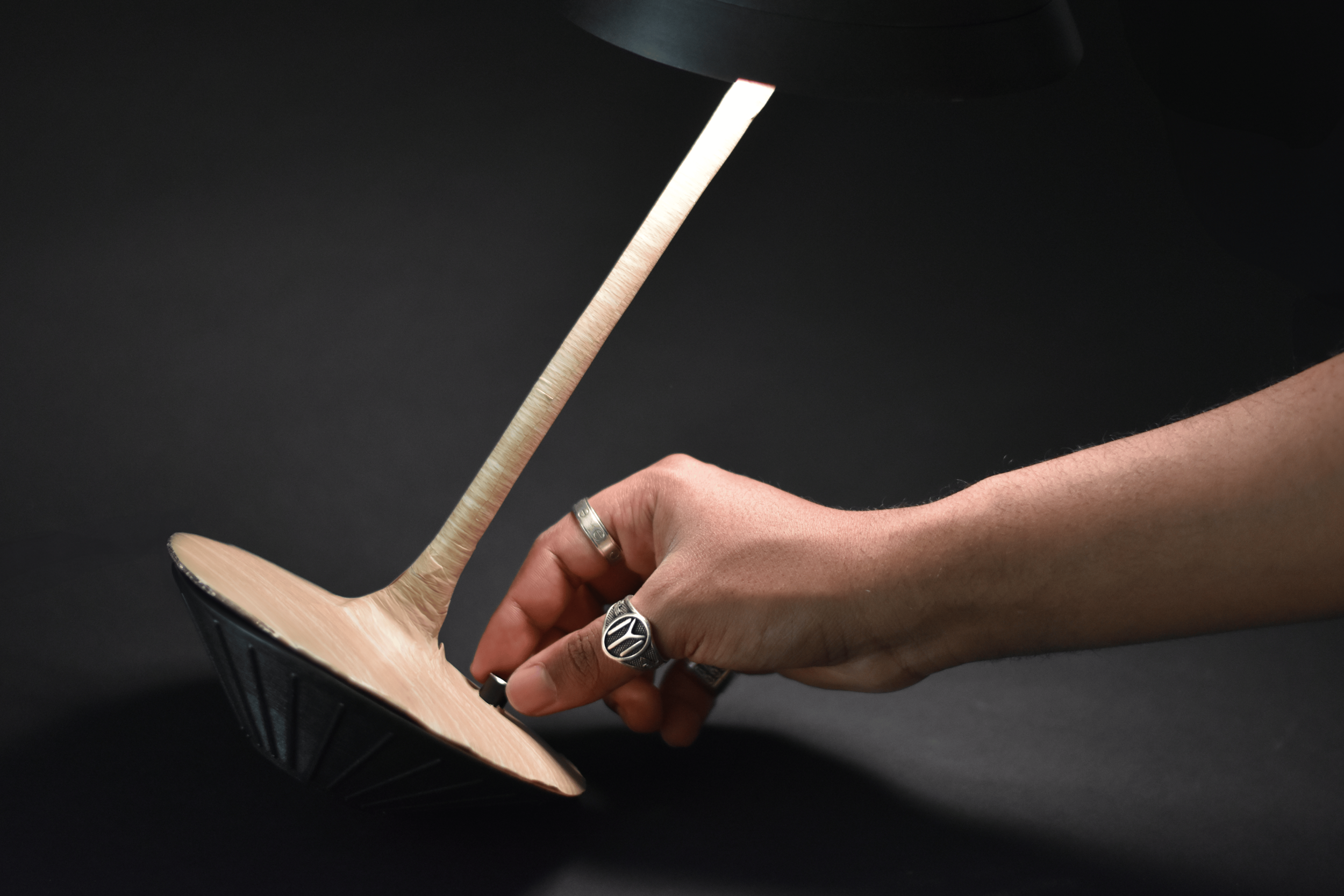
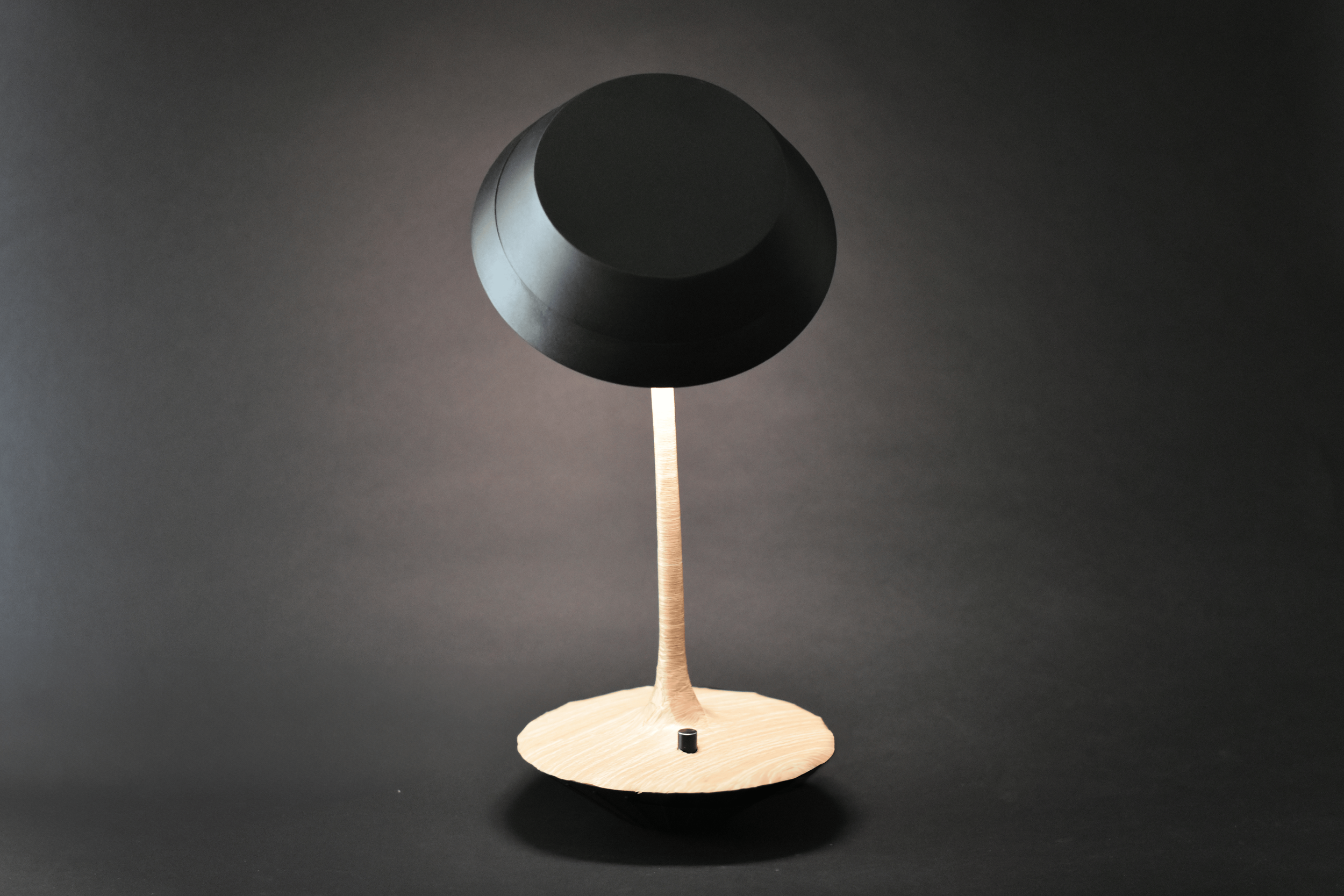
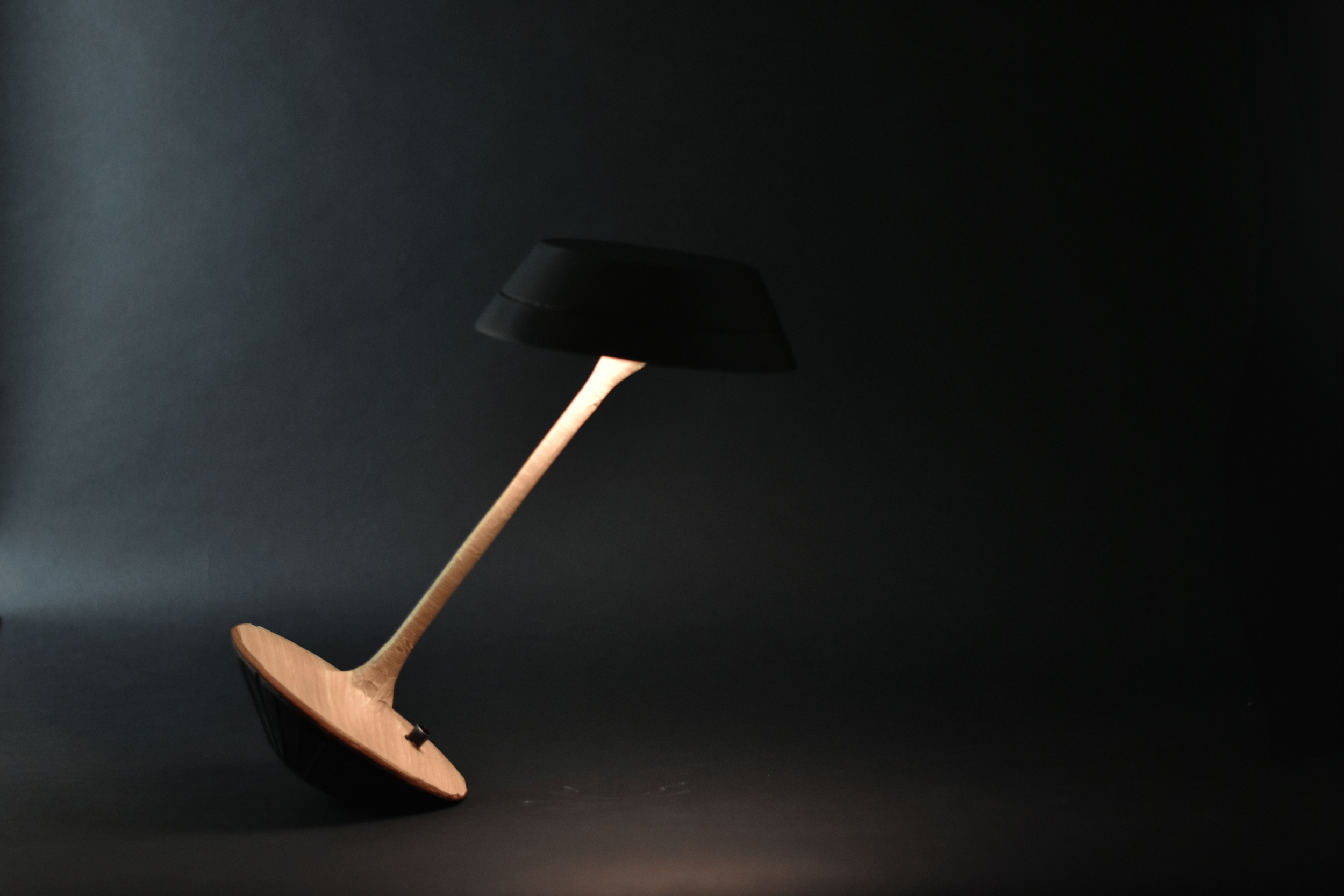
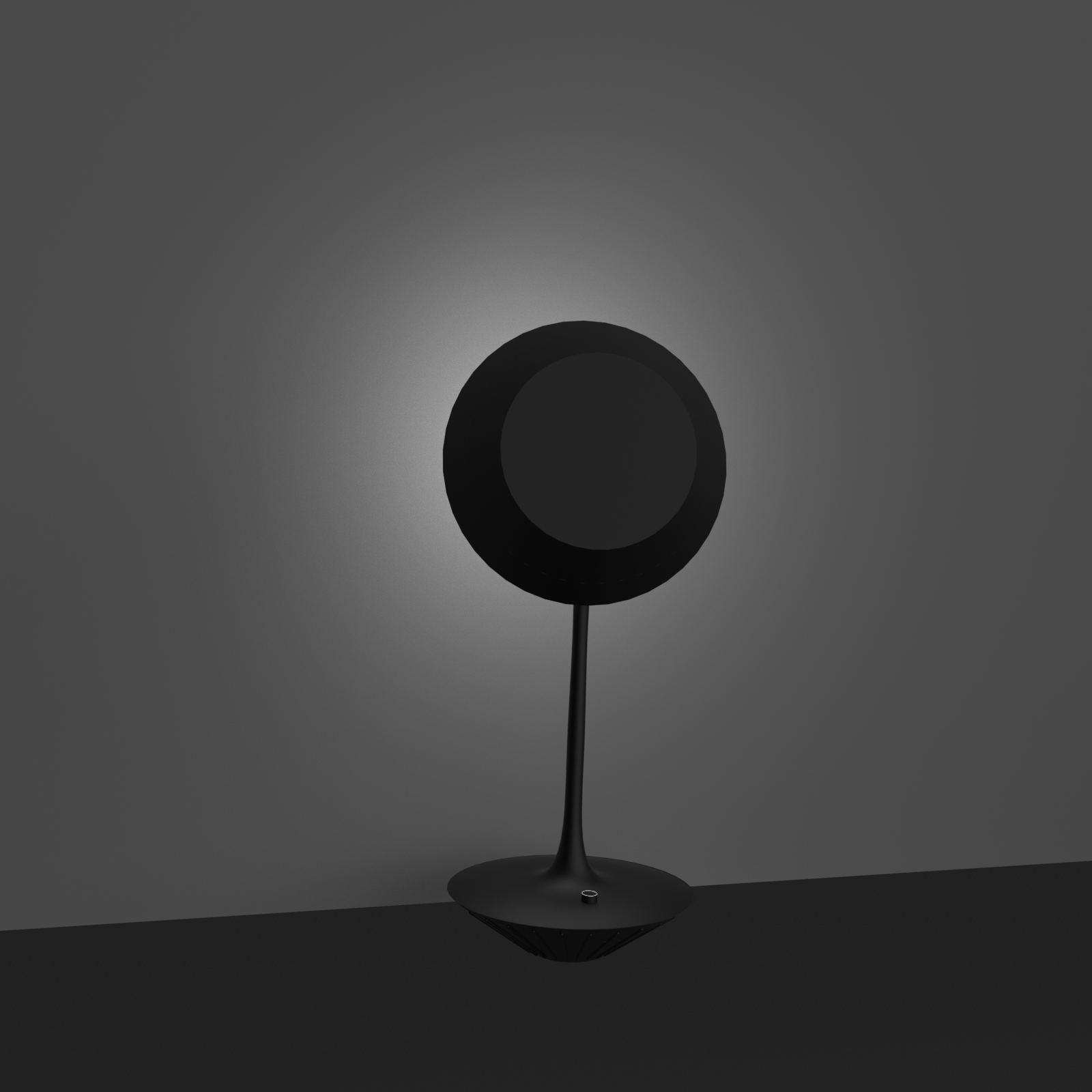
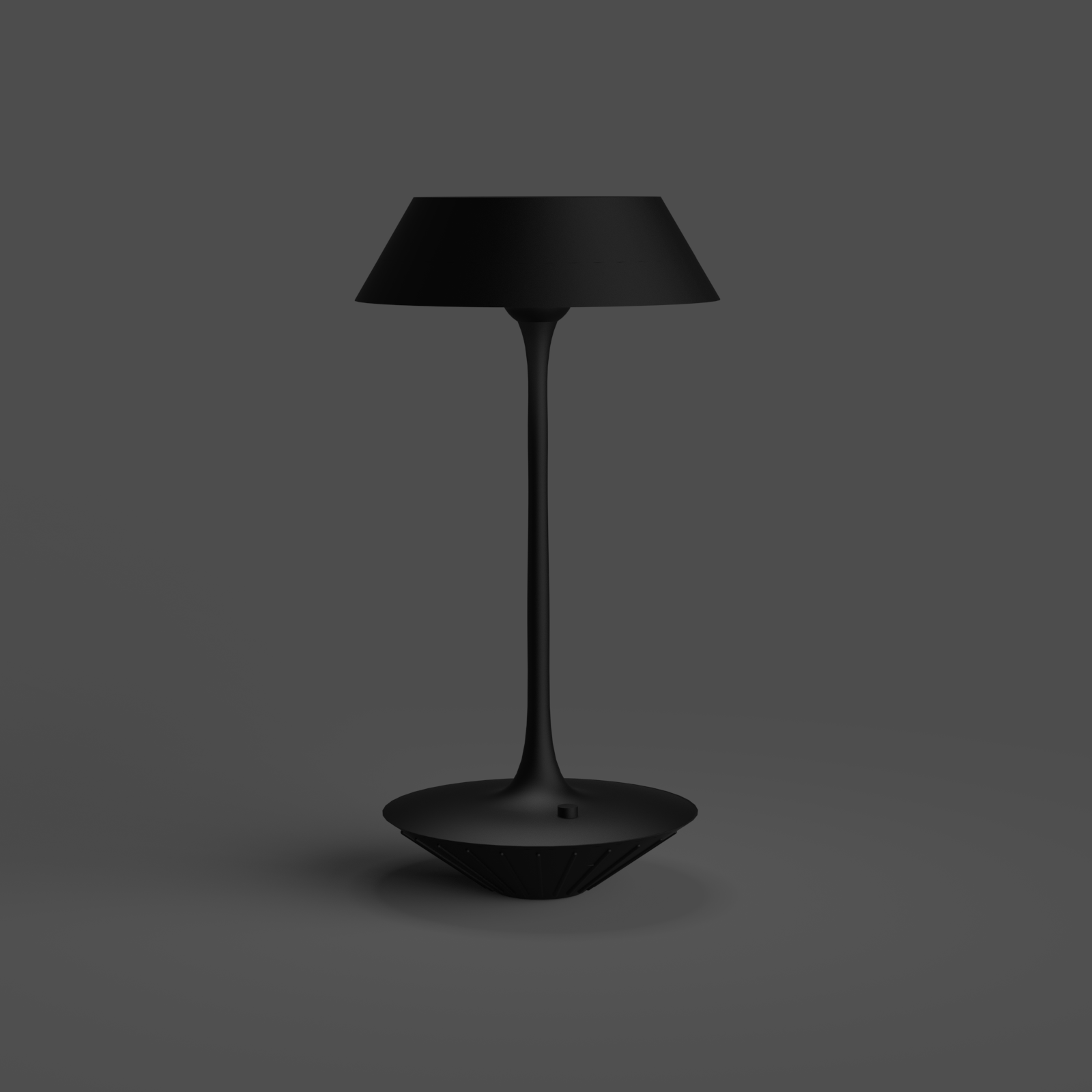
Lean is a tabletop lamp designed to move with you. Its adjustable ball-and-socket head and weighted base enable both focused task lighting and ambient illumination. The result is space-saving light that illuminates exactly where it’s needed.
LIT LIGHTING DESIGN AWARDS 2024 WINNER
https://litawards.com/winners/winner.php?id=4166&mode=win
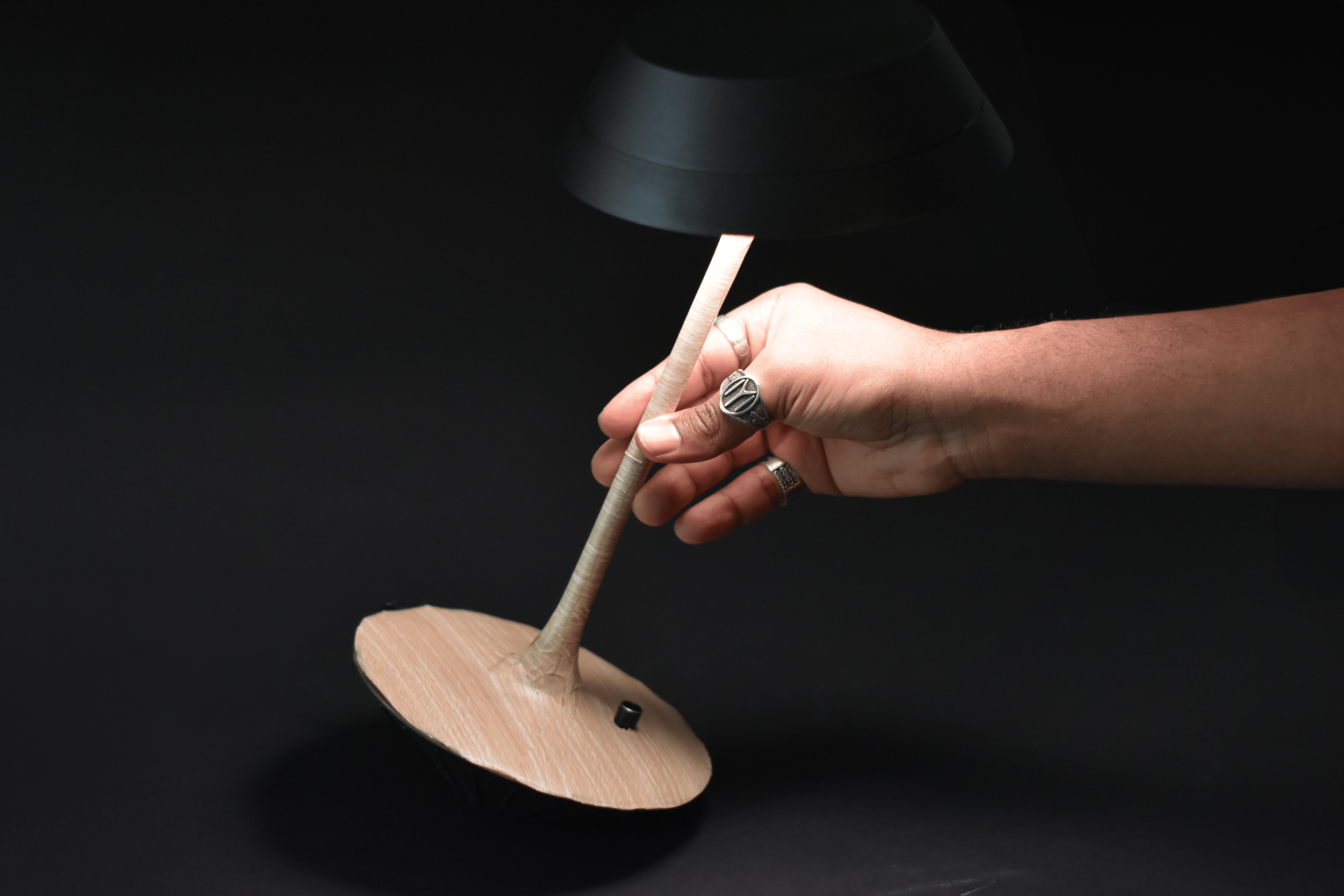
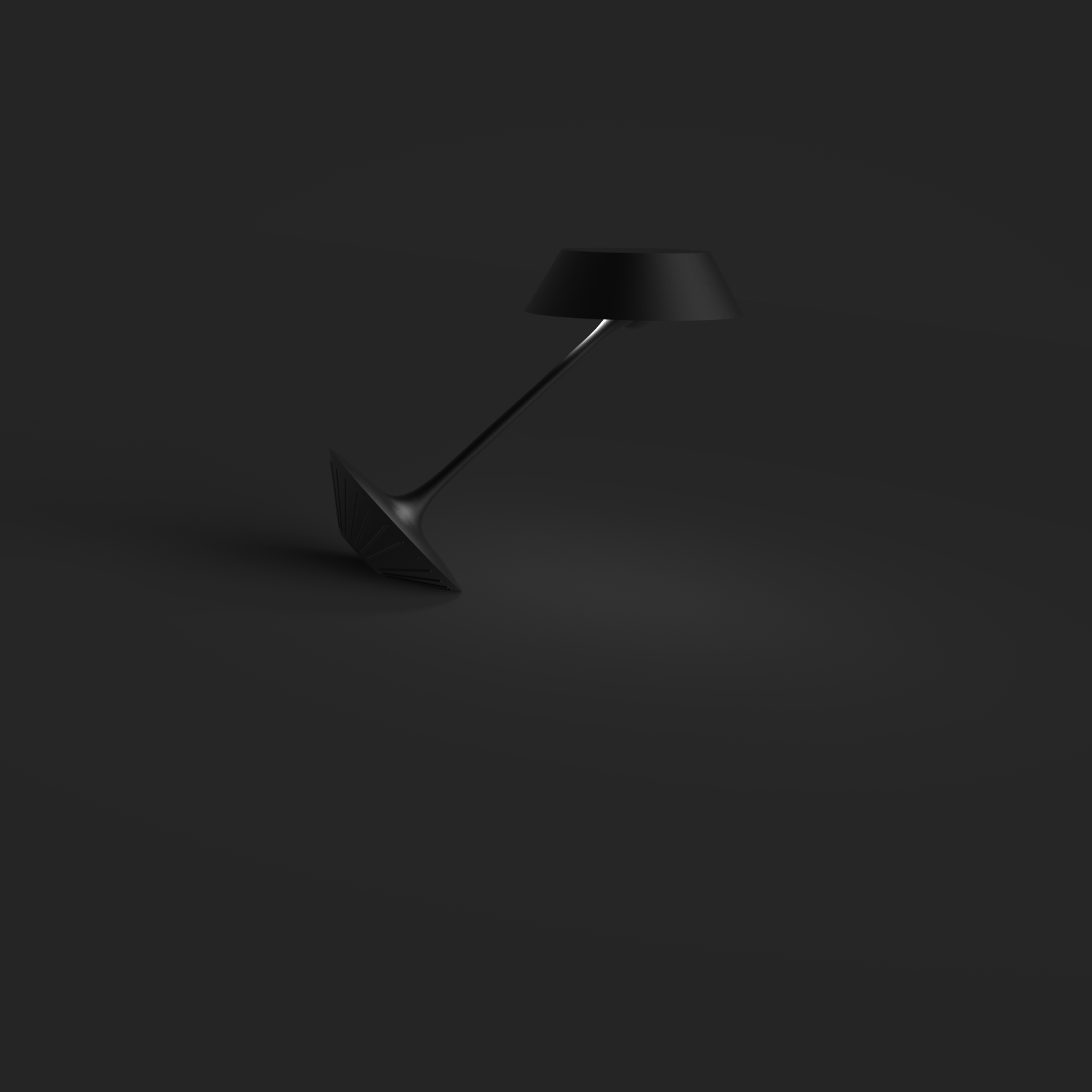
Lean is a table top lighting fixture that can transform from task lighting to ambient lighting. The top of the light has a ball and socket joint to swivel around for the perfect angle of lighting as needed for the occasion. The weighted base allows the user to lean the light, so when it is used as task lighting, the base is not in the way of the task at hand.
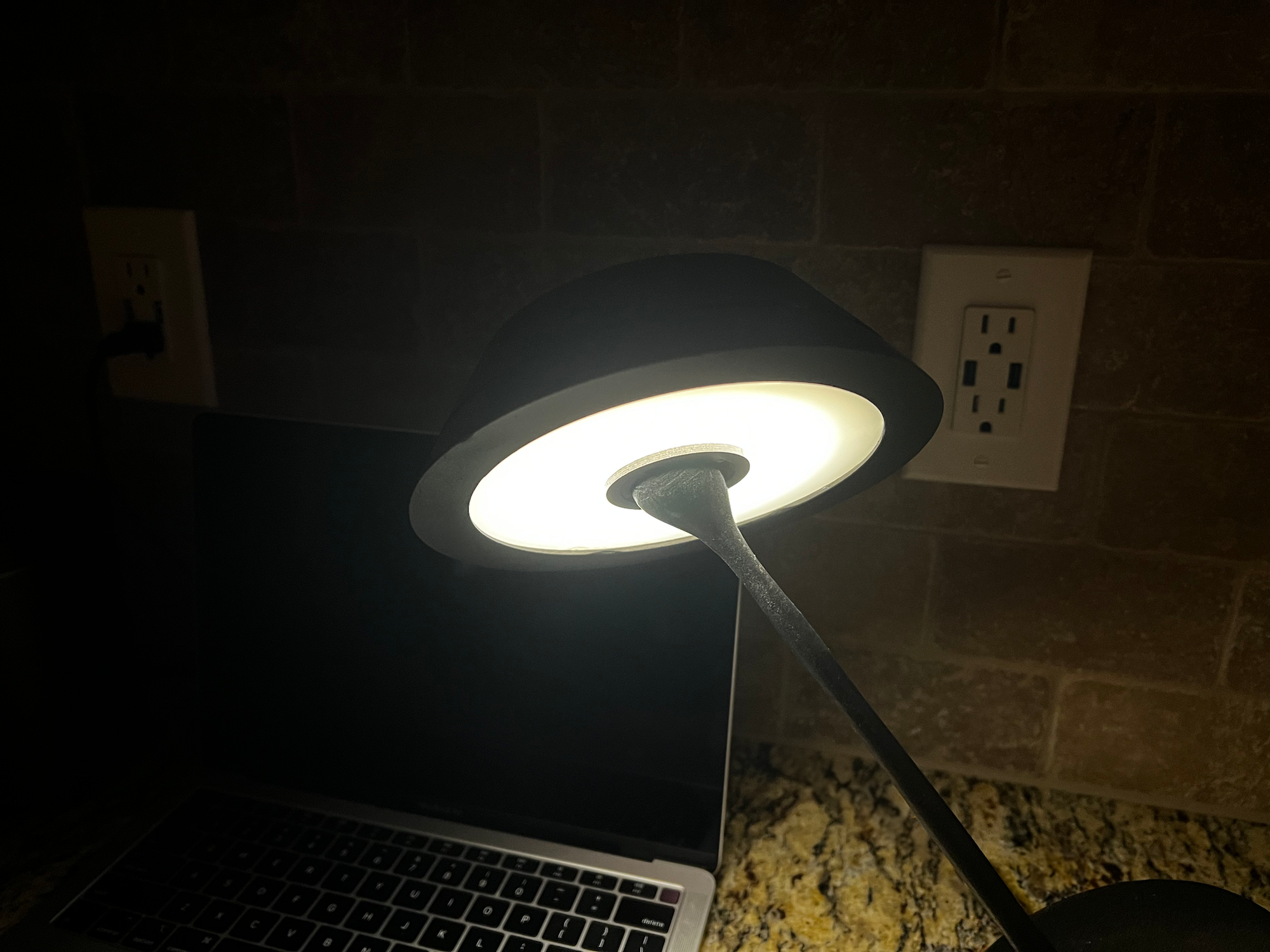
Lean is a sustainable design because uses LEDs as its light source. LEDs are far more efficient than traditional lighting methods, converting more electrical energy into light than regular lights. LEDs have a much longer lifespan than traditional incandescent lights. The specific LED ring Lean Luminate has lasts for 2 years of continuous use.
Skills:
Arduino, 3D Printing, Prototyping
Research & Sketches
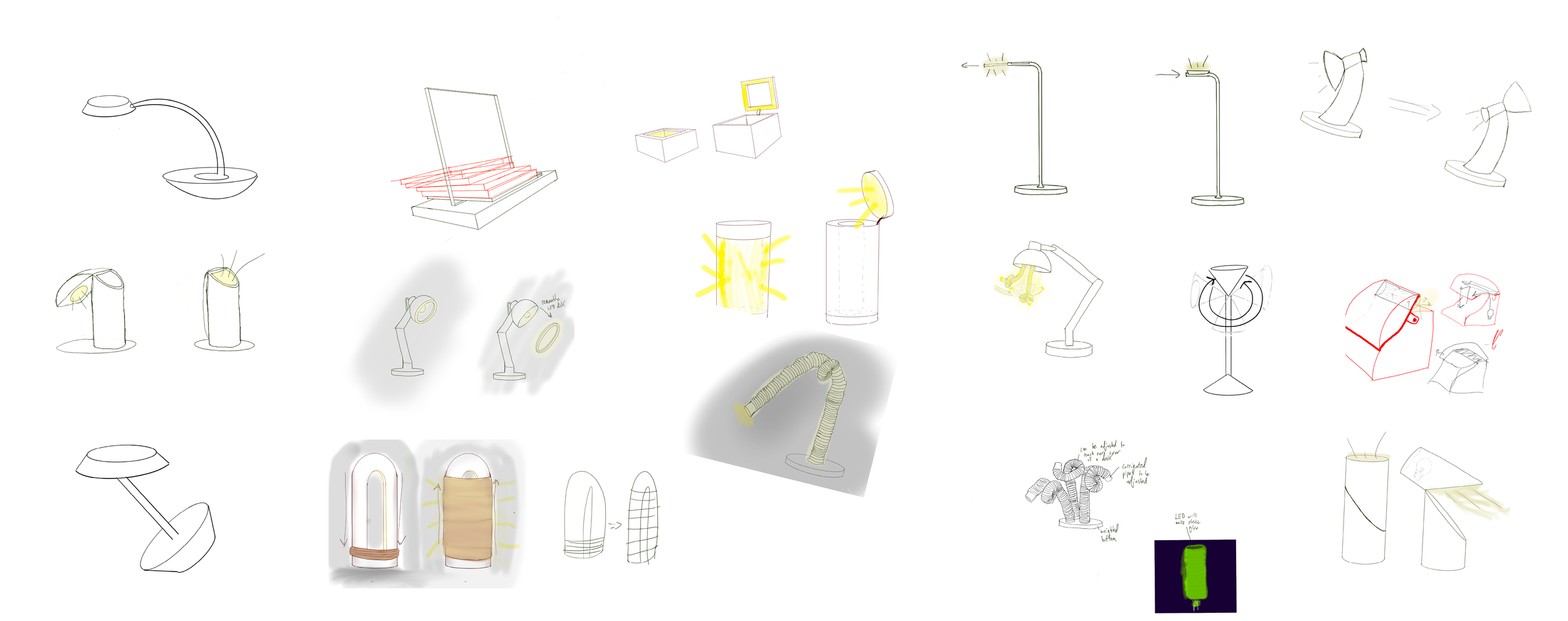
The initial sketching phase explored lighting concepts centered around motion as a way to communicate multifunctionality. This exploration considered multiple interpretations of function, including user-assisting mechanisms, shifts between task and ambient lighting, and changes in how the light occupied space. My early exploration was about finding adaptability within a table-top lamp.
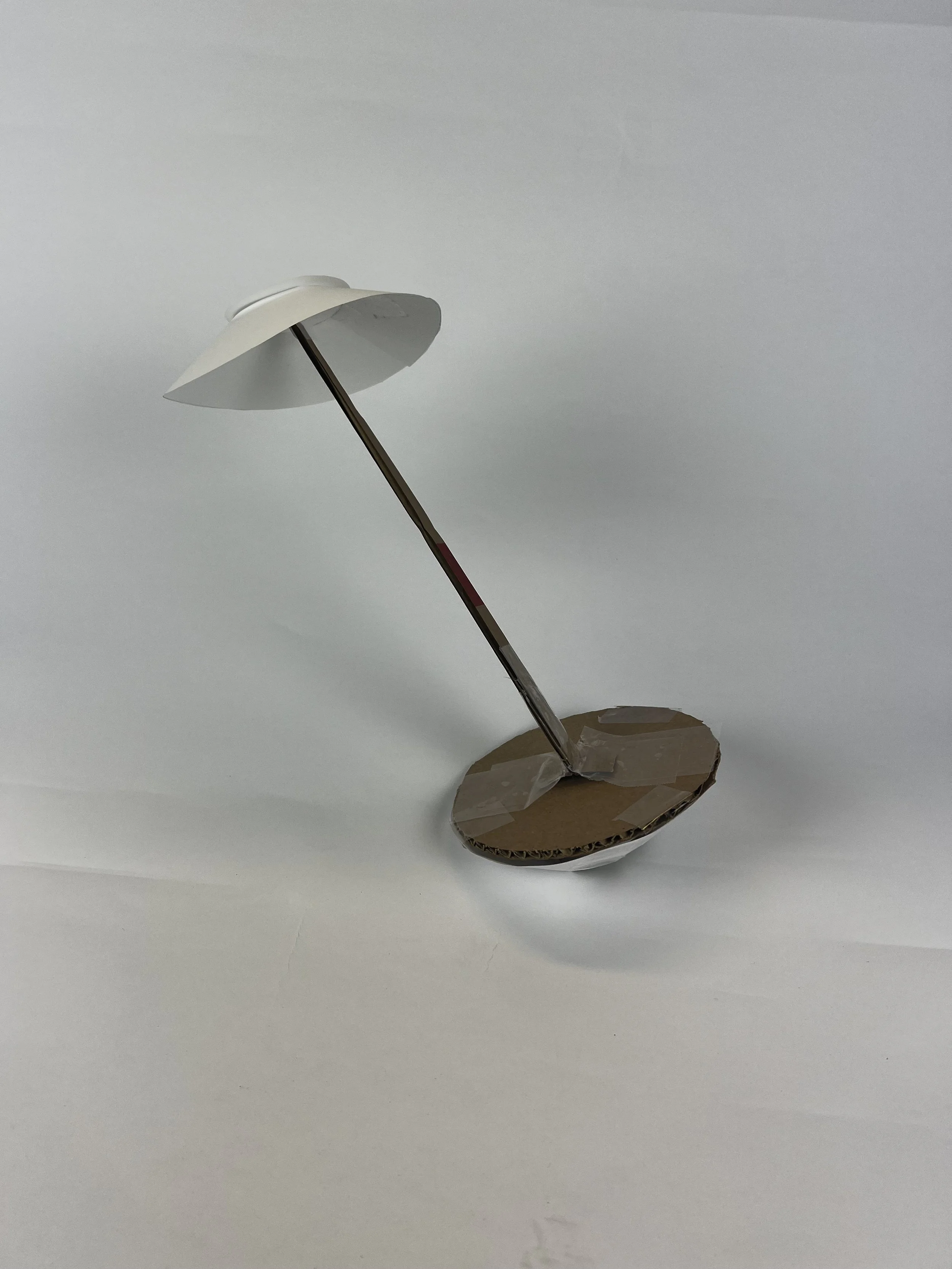
After multiple rounds of sketching, select concepts were translated into quick physical sketch models. These models provided an immediate sense of scale and proportion while exploring how form could influence balance and motion in a tangible way. Testing these behaviors early reduced guesswork and allowed later CAD development to be more focused and intentional.
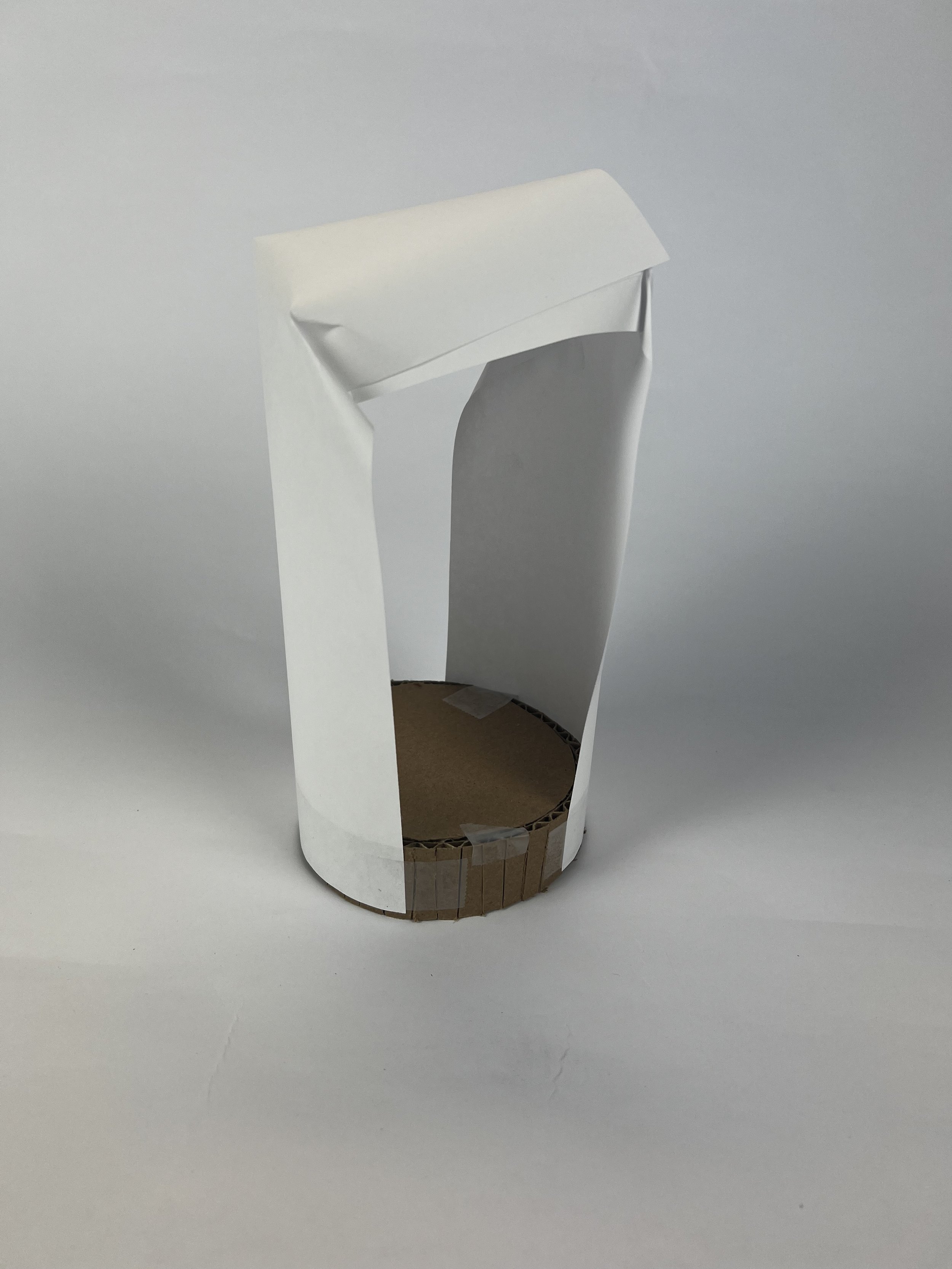
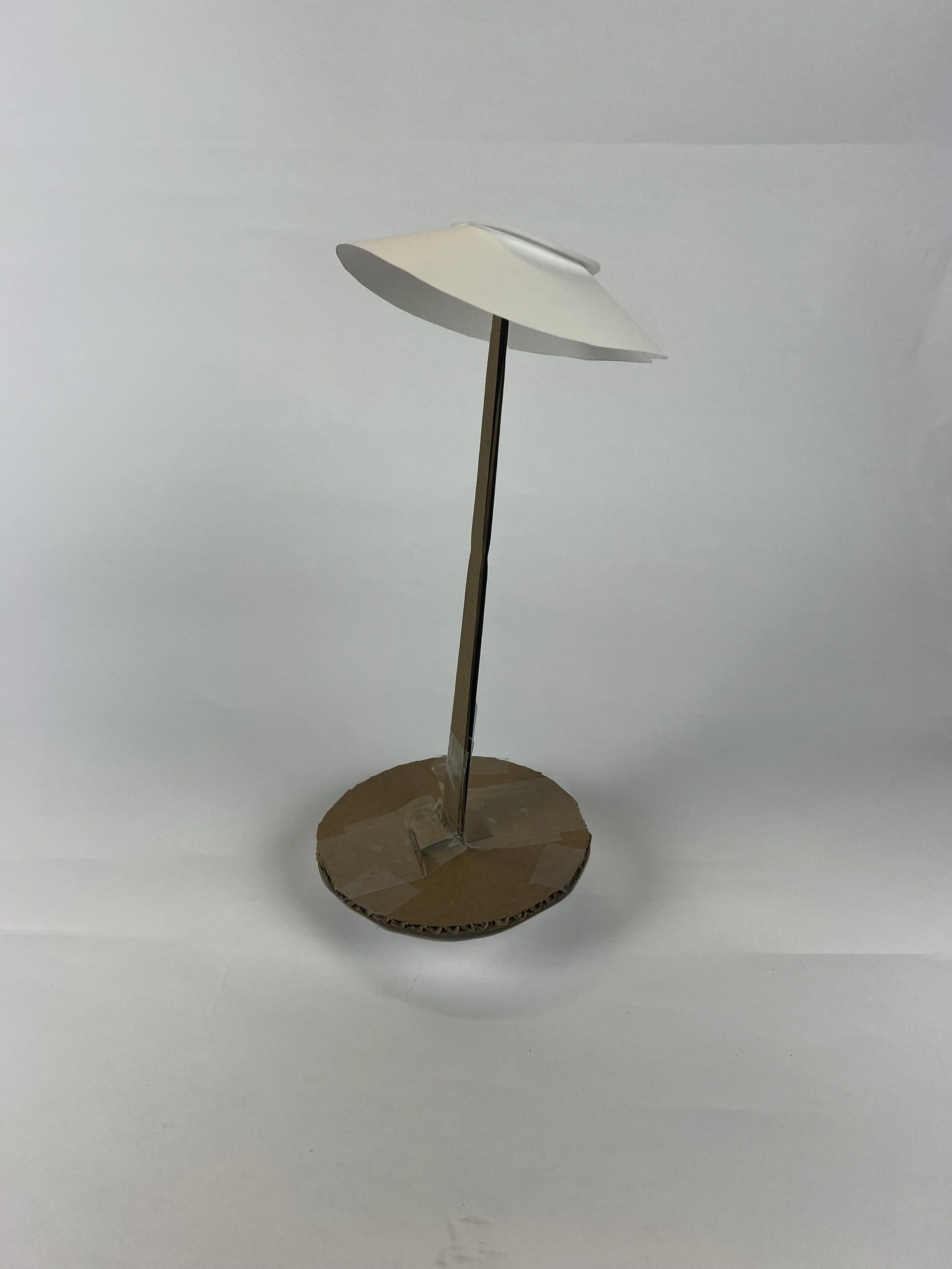
Insights from sketch models informed the next phase of rapid CAD exploration. Having validated key physical behaviors, the focus shifted to form, material, and how multifunctionality could be expressed through task and ambient lighting. Rapid modeling and rendering enabled efficient comparison across five concepts at a realistic scale.
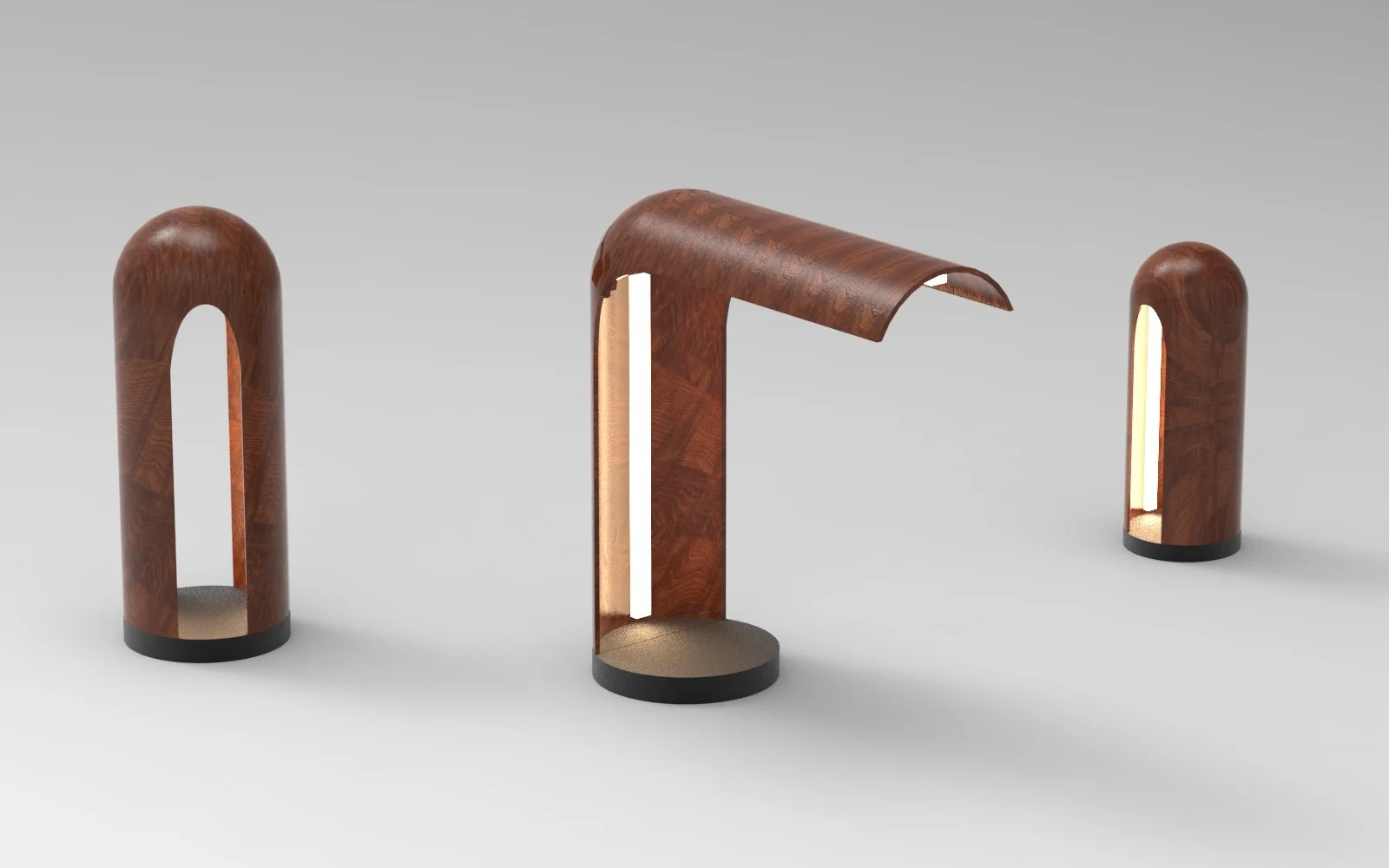
Concept 1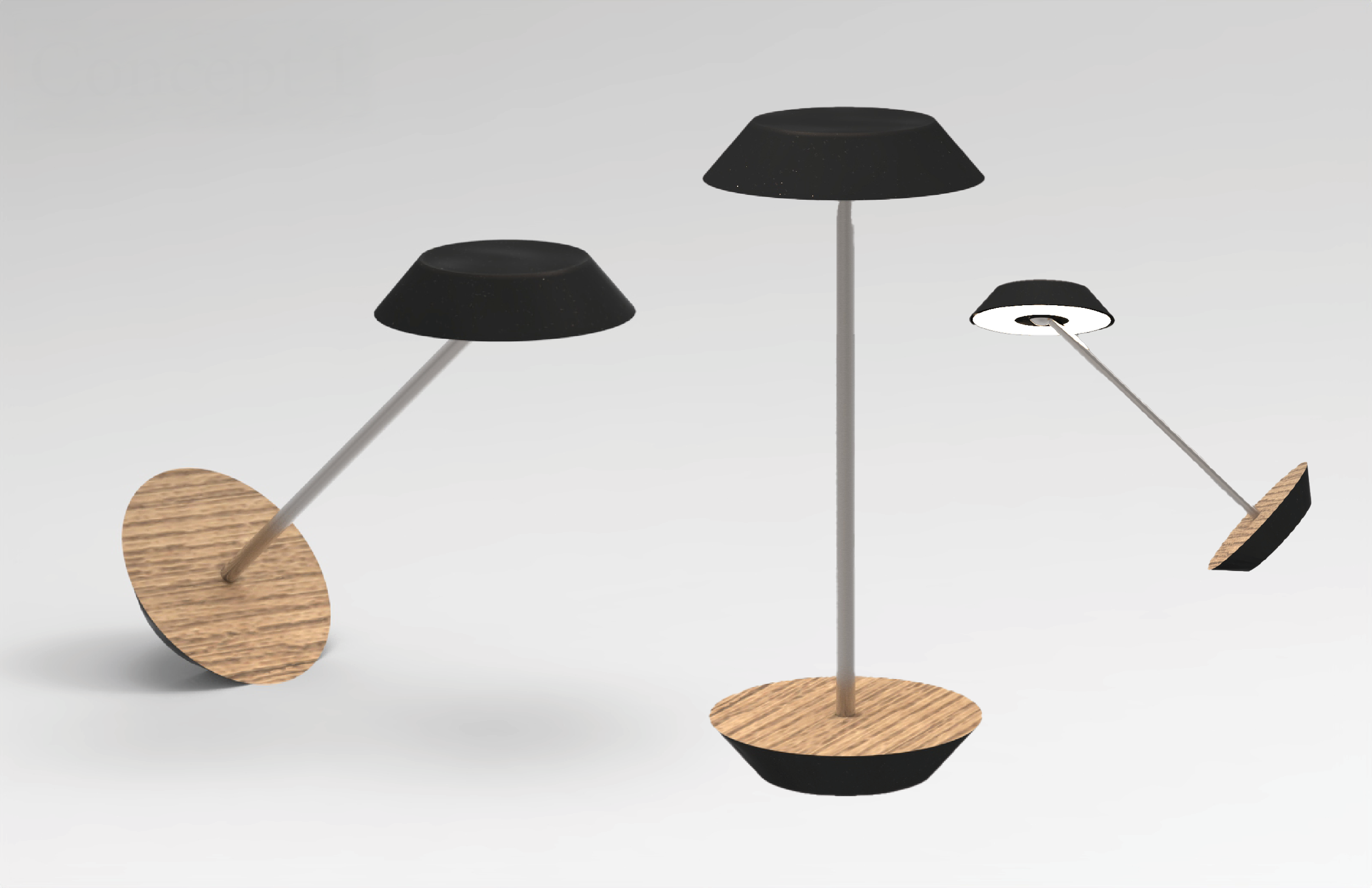
Concept 2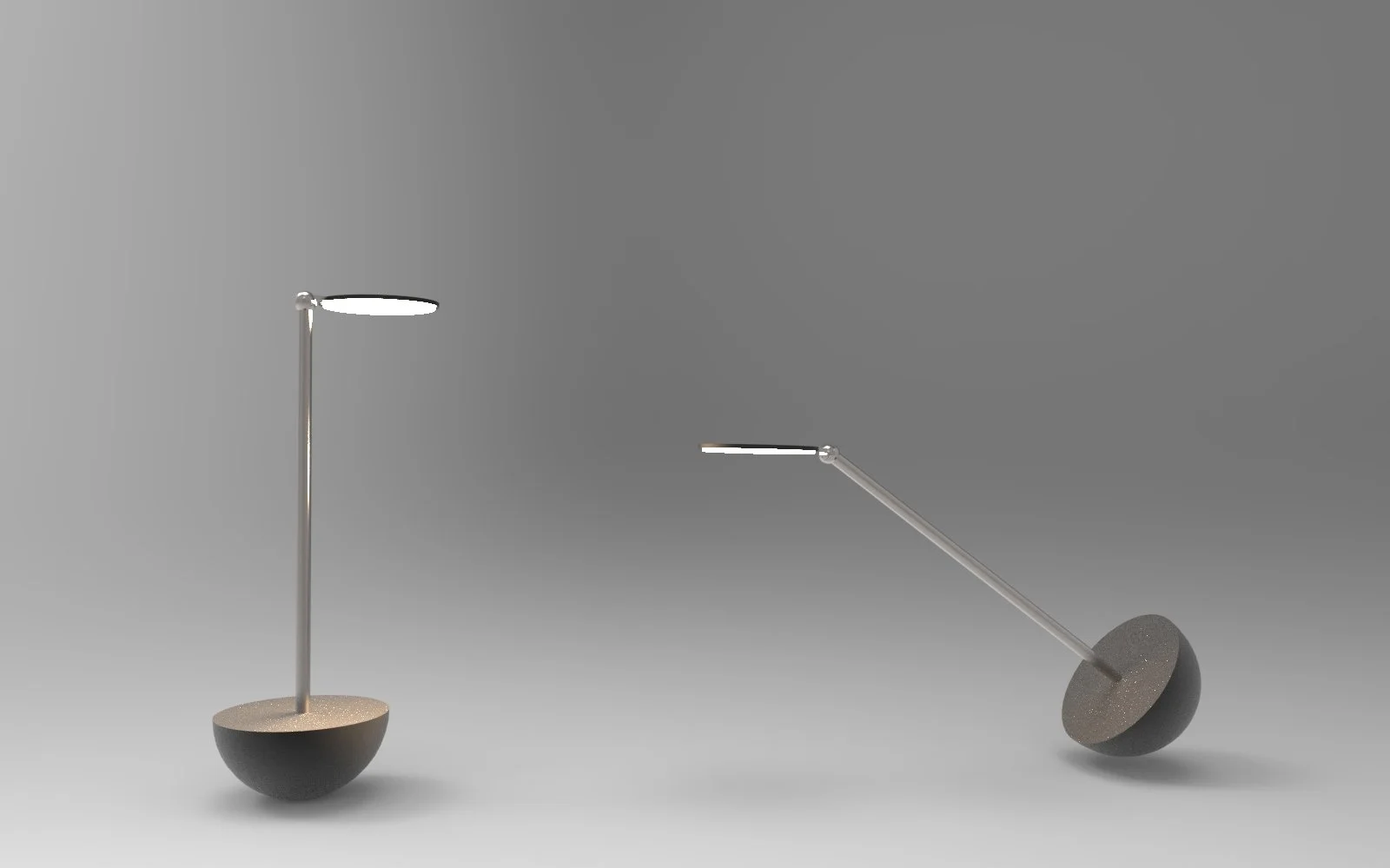
Concept 3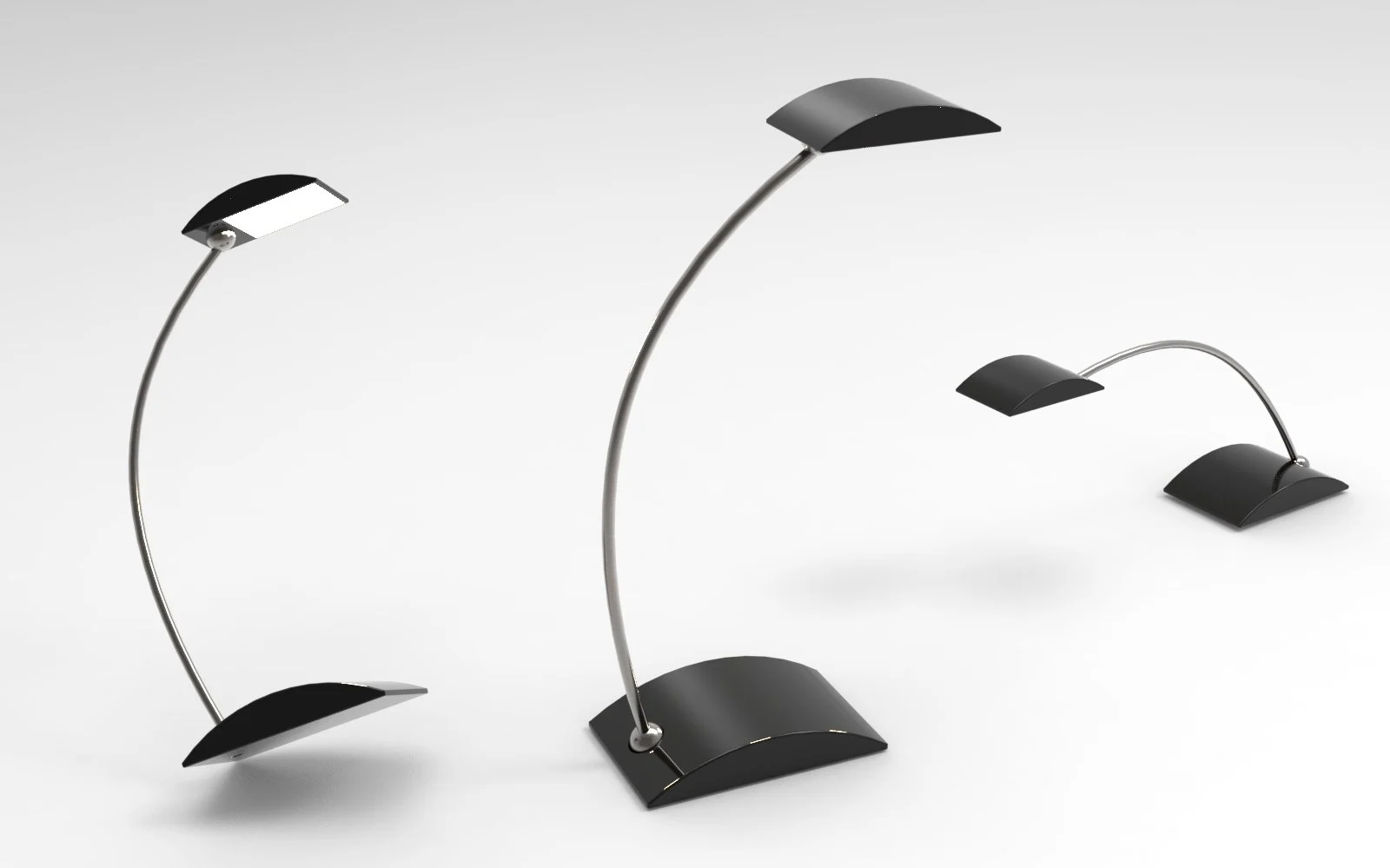
Concept 4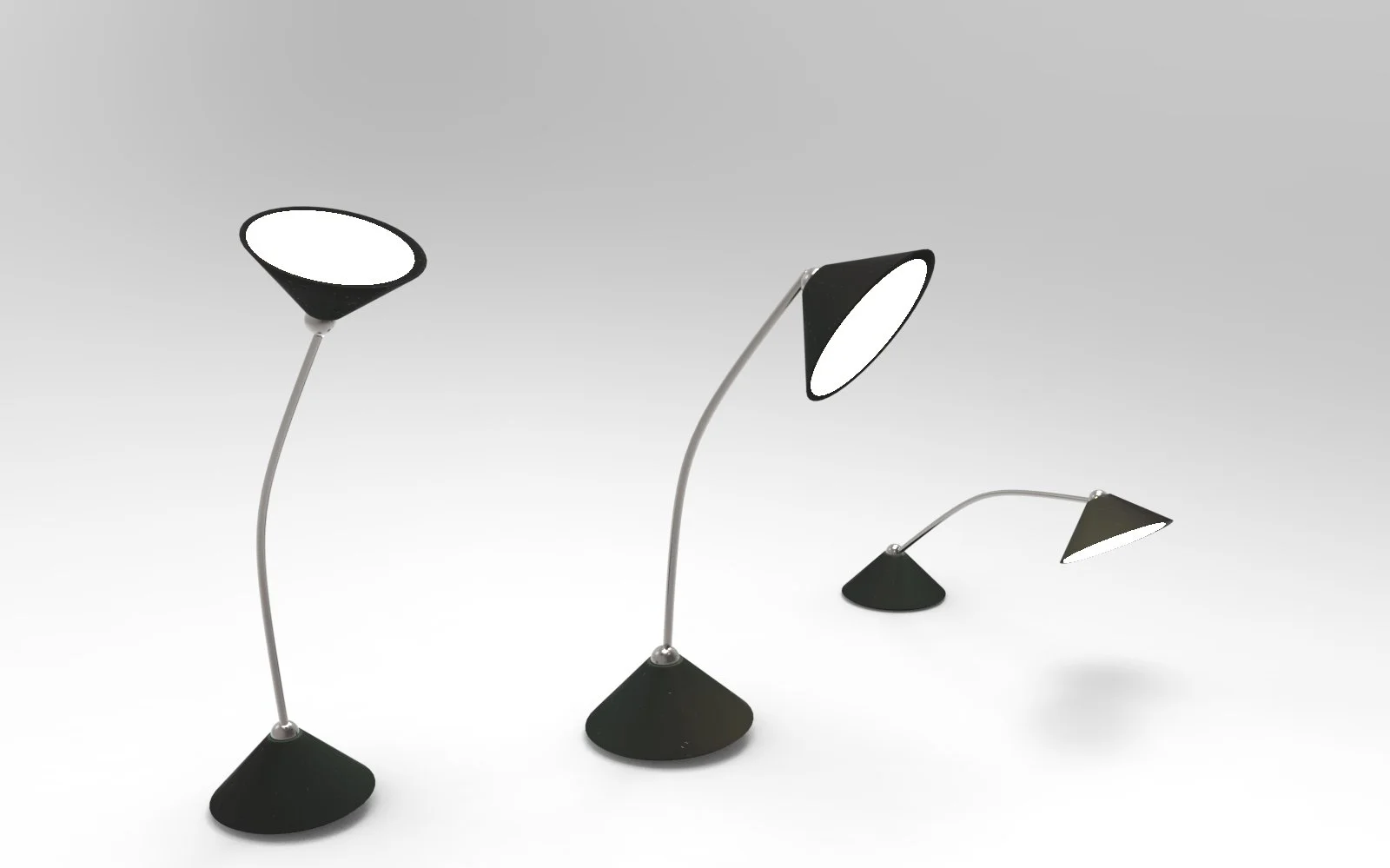
Concept 5— Concept 2 was chosen following presentation feedback, peer discussion, and internal evaluation. Its form and manipulability to shift between task and ambient lighting made it the most compelling concept to develop further. —
The Making
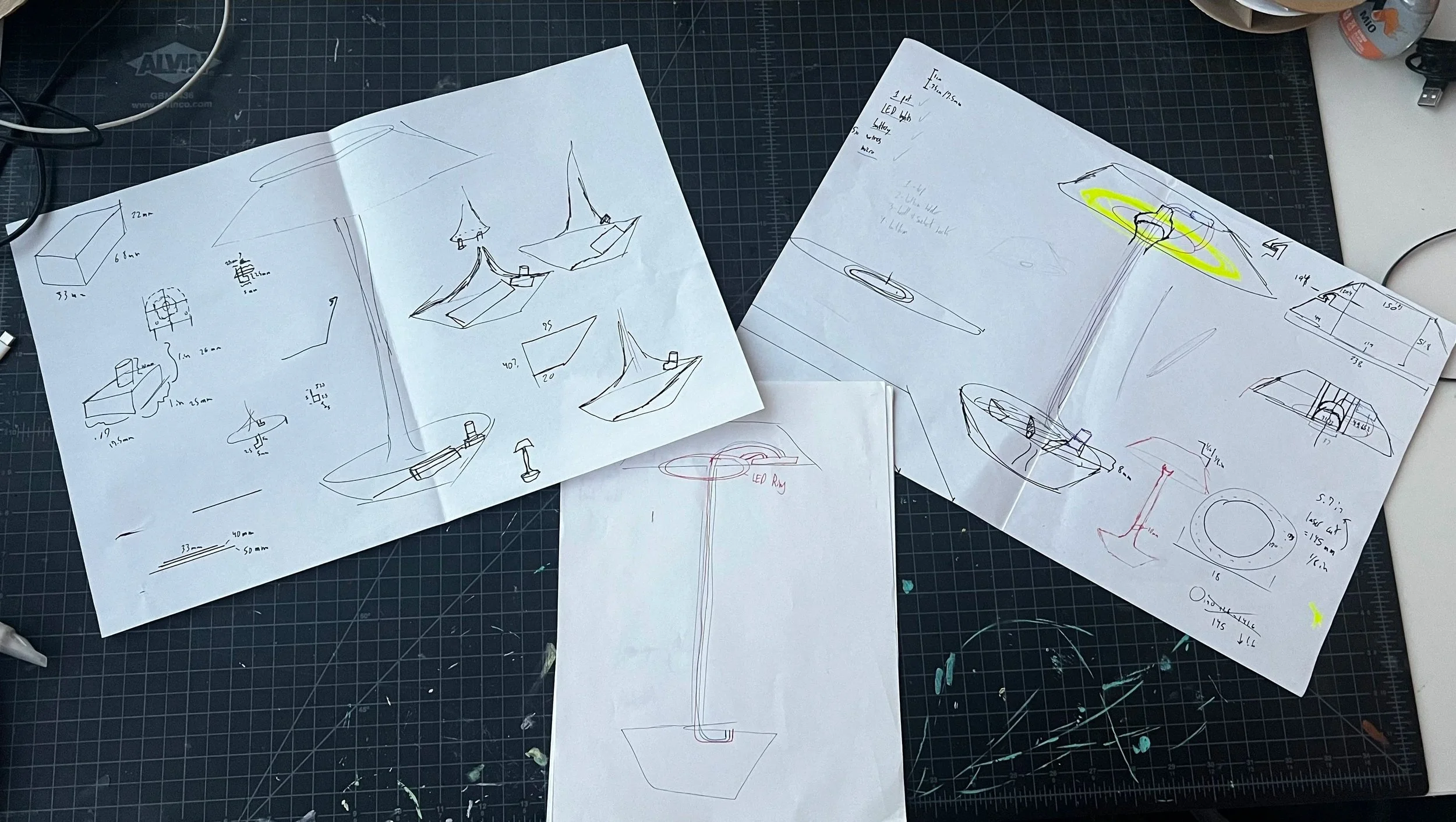
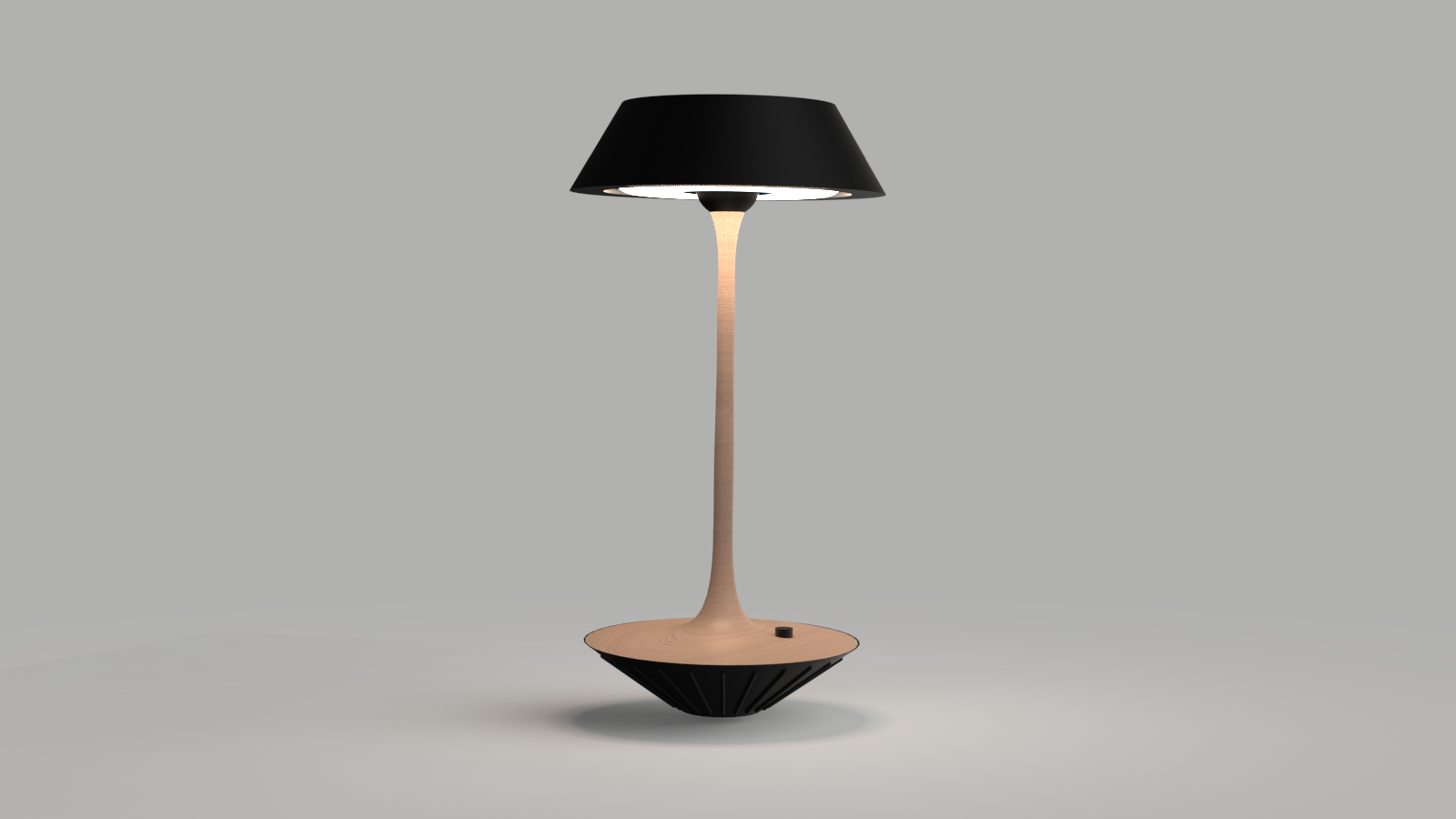
With Concept 2 selected, a higher-fidelity 3D model was developed to resolve real hardware integration, wire channels, and the form of the weighted base required to support the leaning mechanism.
A potentiometer was used to provide analog control over LED brightness. This approach enabled smooth, continuous adjustment of light intensity to accommodate both task and ambient use cases, enhancing the user’s experience by allowing the light to be tuned to their immediate needs.
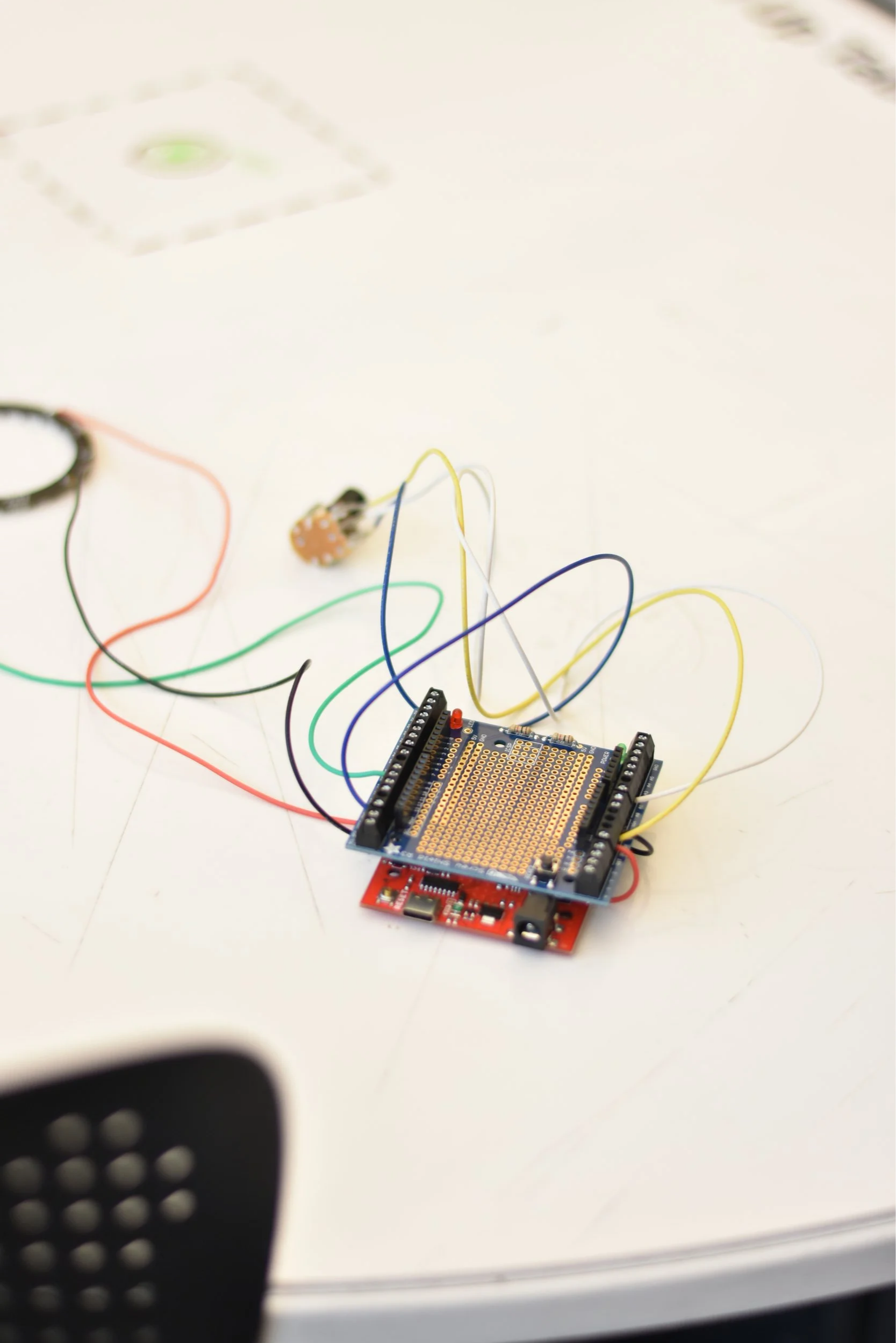
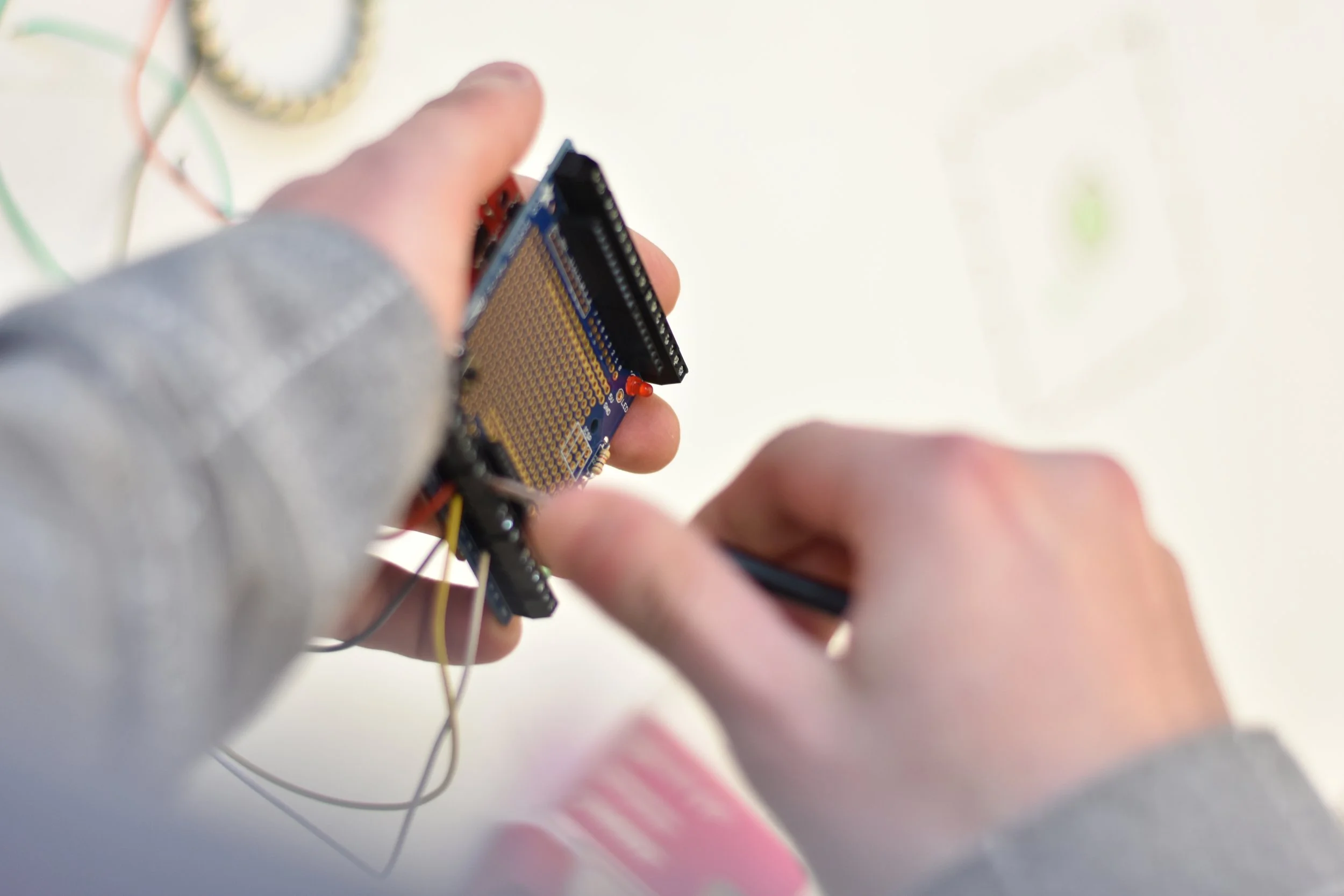
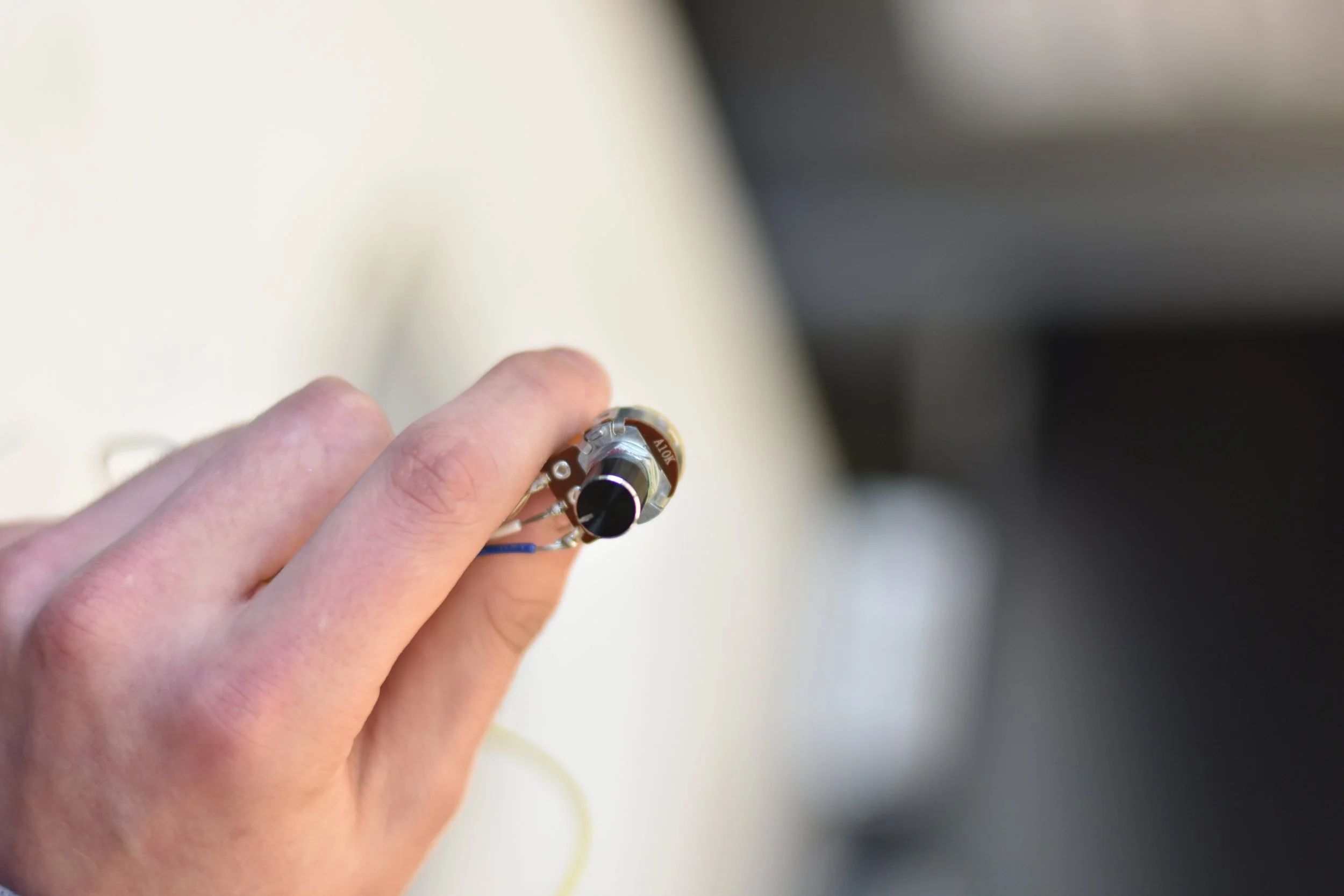
Routing power through the lamp head presented a challenge due to the ball-and-socket joint and its required range of motion. The wiring needed to remain flexible while avoiding tension, pinching, or interference with articulation. This was resolved through controlled internal routing that allowed full rotation and tilt without compromising movement or reliability.
Challenges
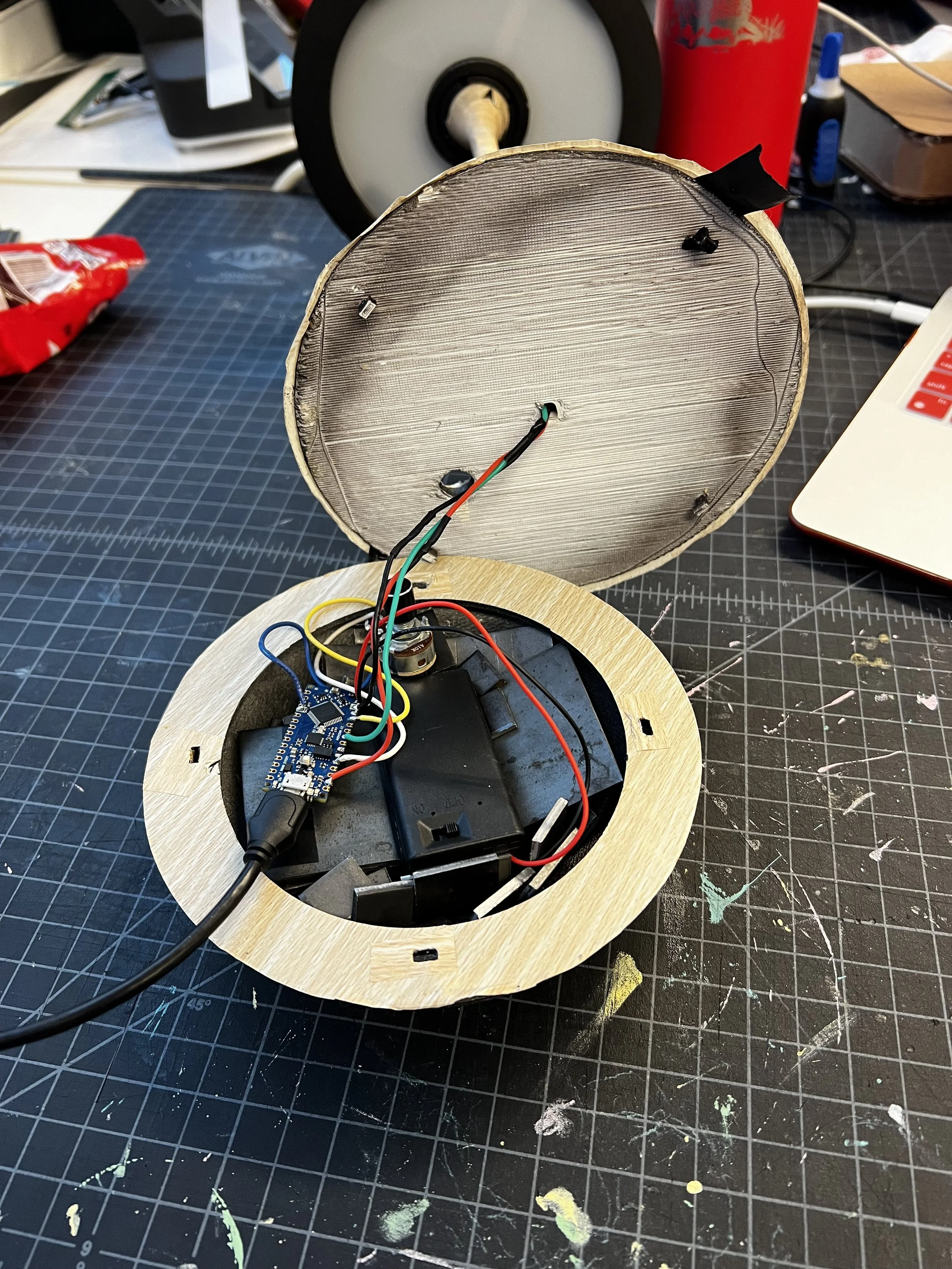
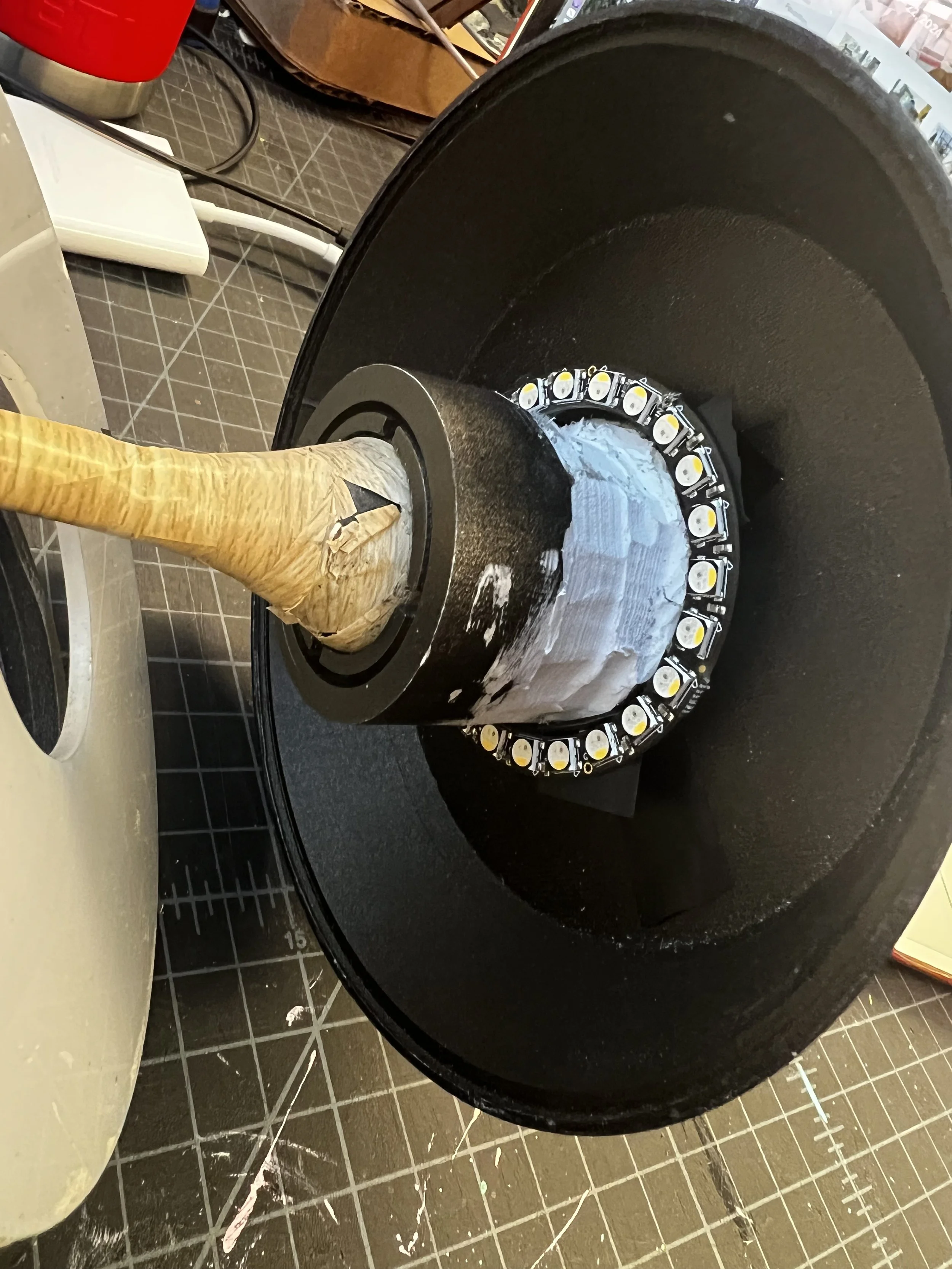
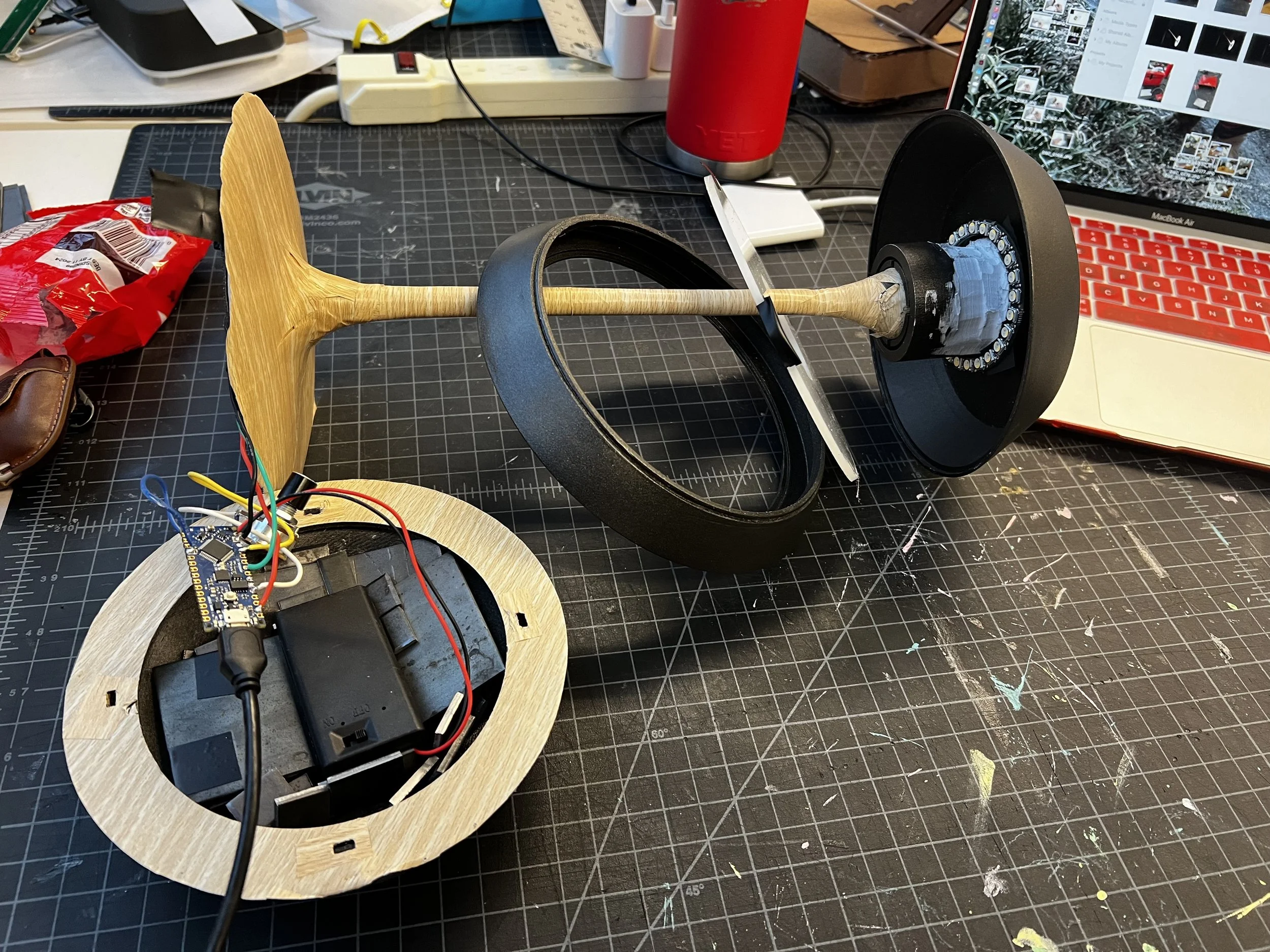
Achieving stability while preserving a compact base required careful consideration of internal structure and material selection. Multiple materials, including various metals and loose-fill options such as sand, were tested to evaluate weight distribution and volume efficiency. Lead was ultimately selected for its high density, enabling sufficient mass to be concentrated within a small footprint to support the leaning interaction.
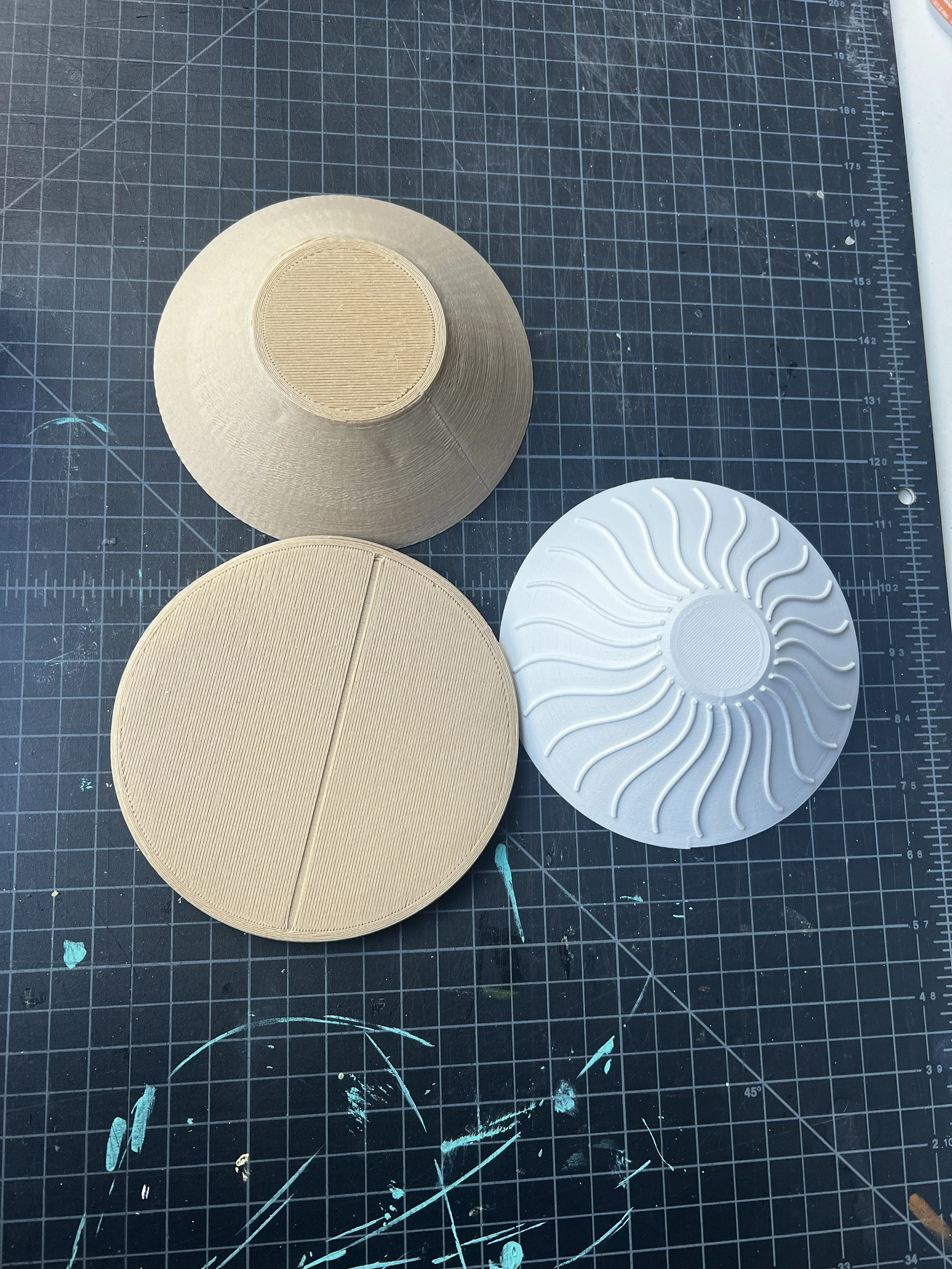
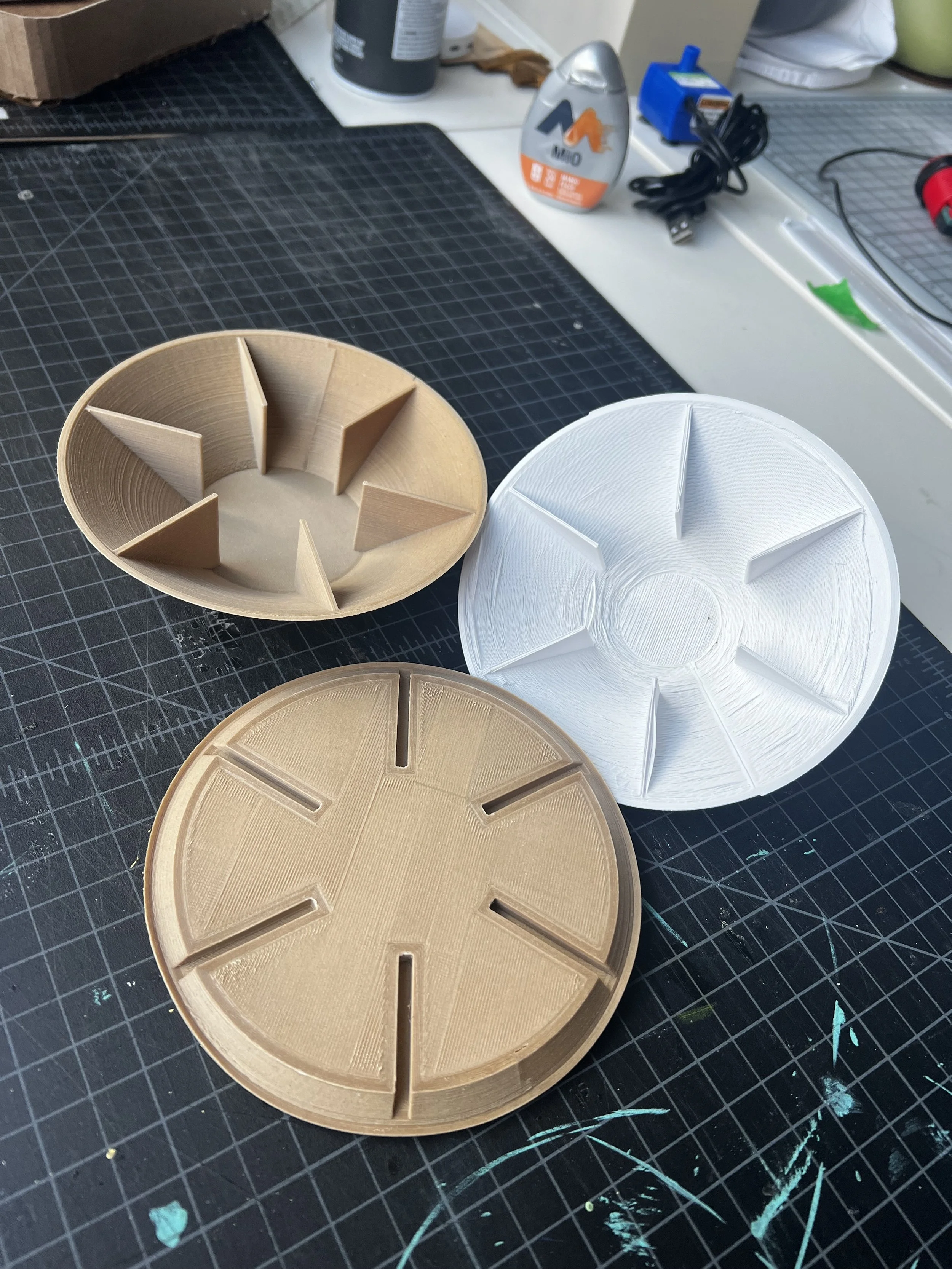
First High-Fidelity Model
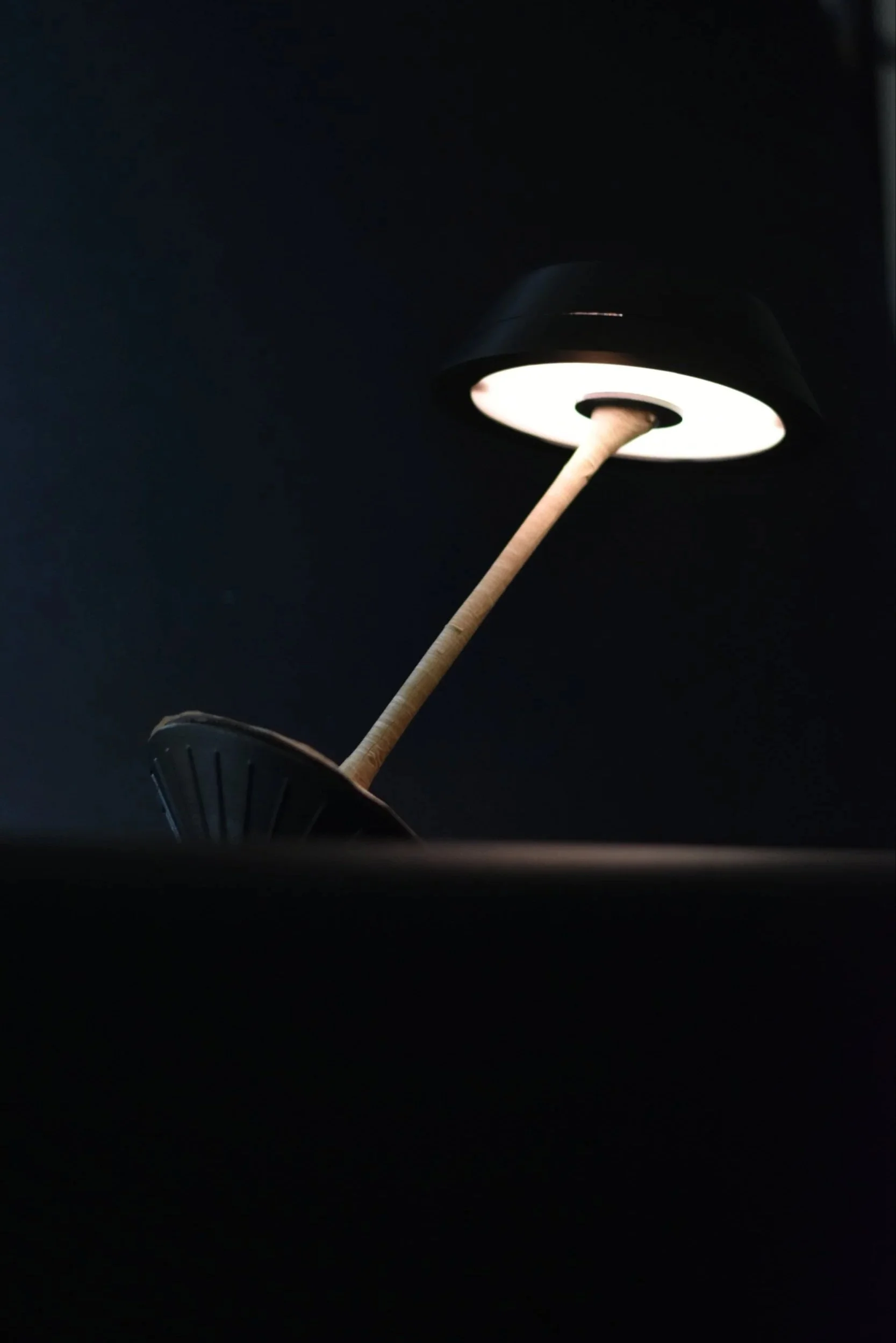
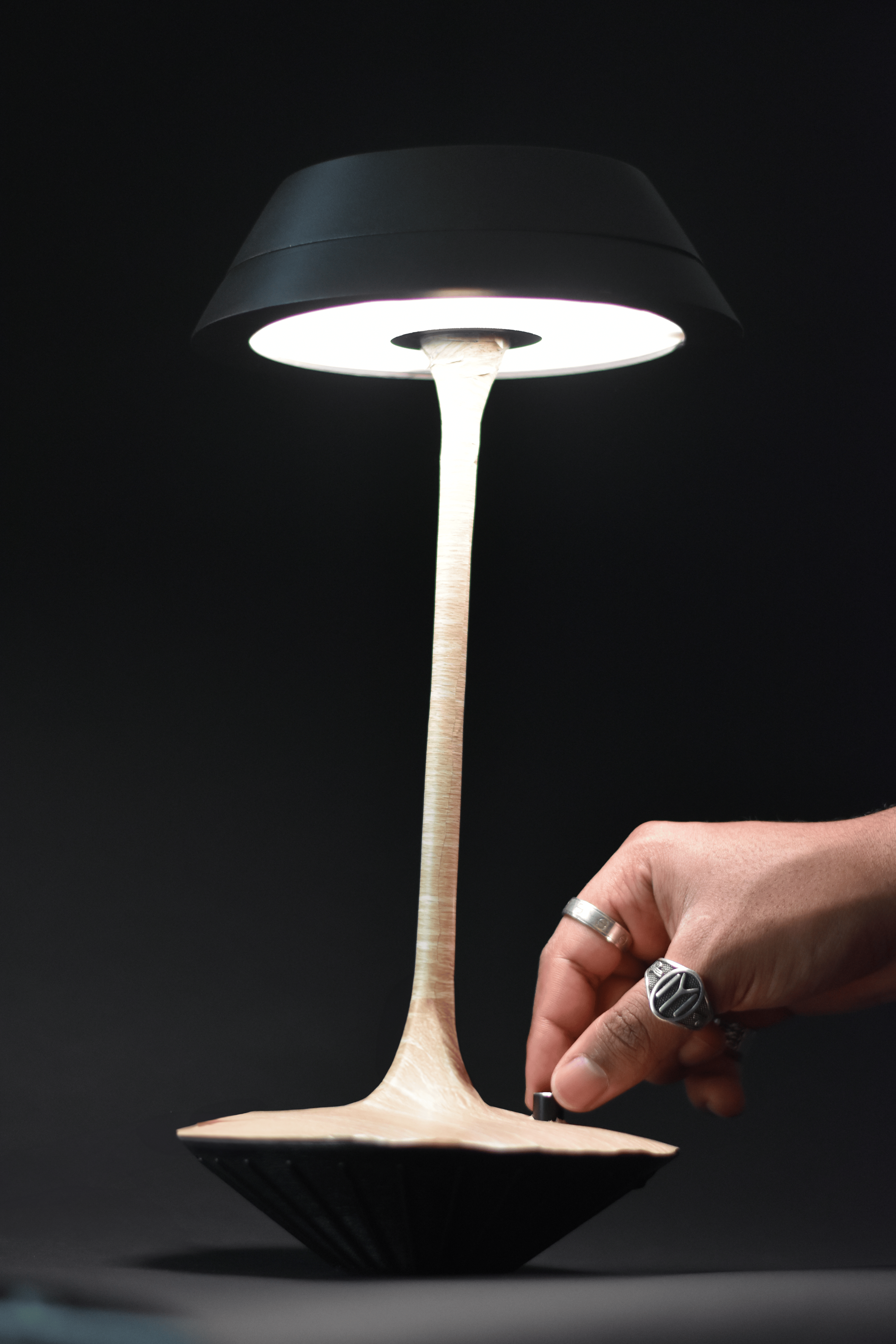
Final High Fidelity Model


Lean
/
Lean /