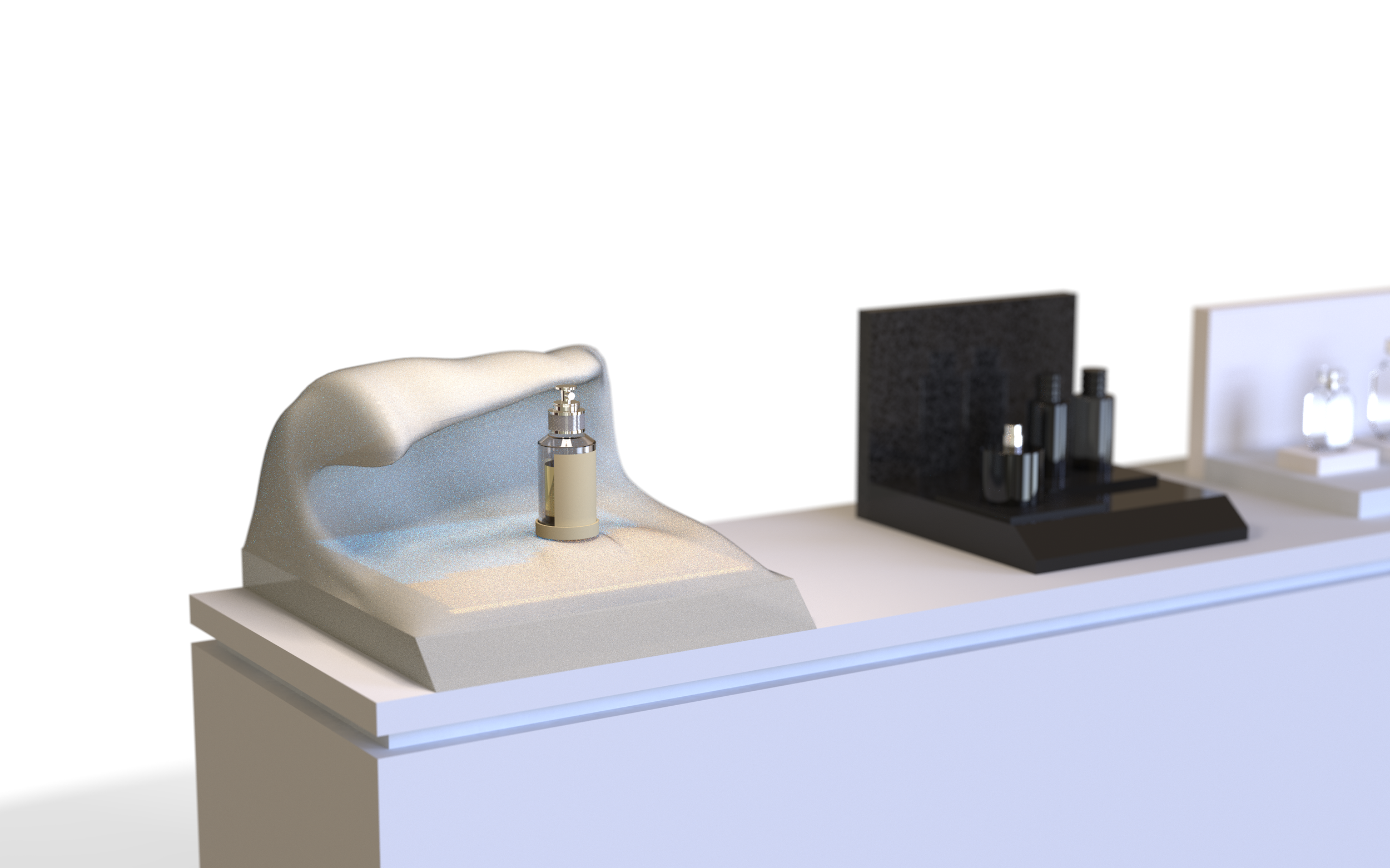
Aroma-bota
Why
About 70% of purchase decisions occur in physical retail spaces.
Emotional connections are increasingly formed through the mood and storytelling found on social media platforms, yet current in-store displays are static and flat.
Team

Ben Jungblut

Khaled Abdul Rahman

Youjin Chung
The Problem Area
Fragrance retail spaces are densely filled with many brands competing for space and attention. Current displays are static posters and shelving to present products, but they do not make you feel.
Brands connect with their customers through social media, evoking emotion.
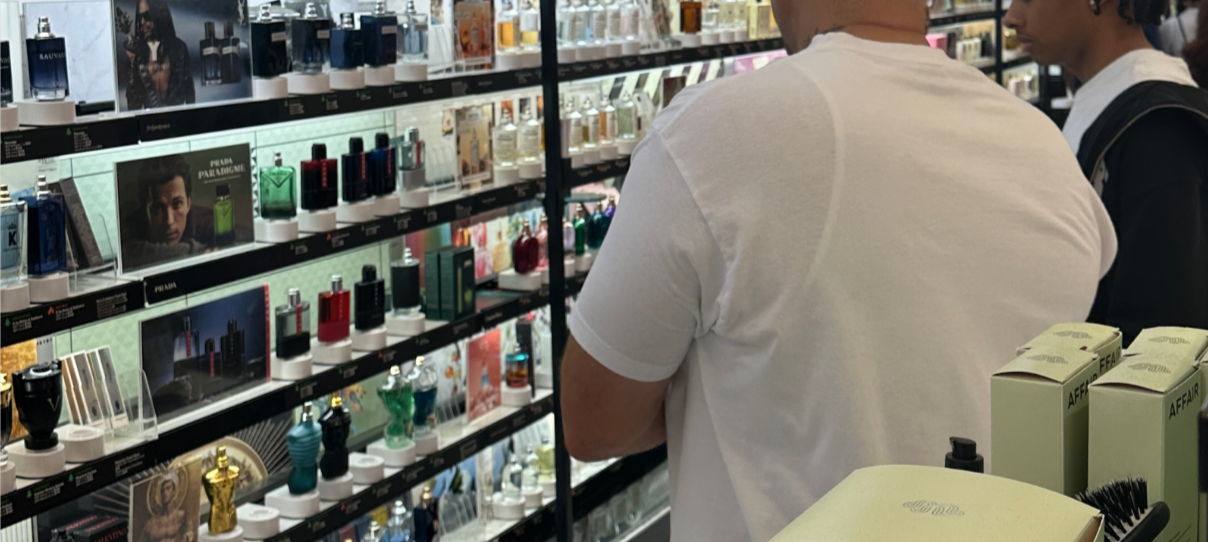
Aroma-bota fills this gap by connecting with shoppers emotionally, matching brand language through movements inspired by each fragrance’s unique notes.
Our Gap
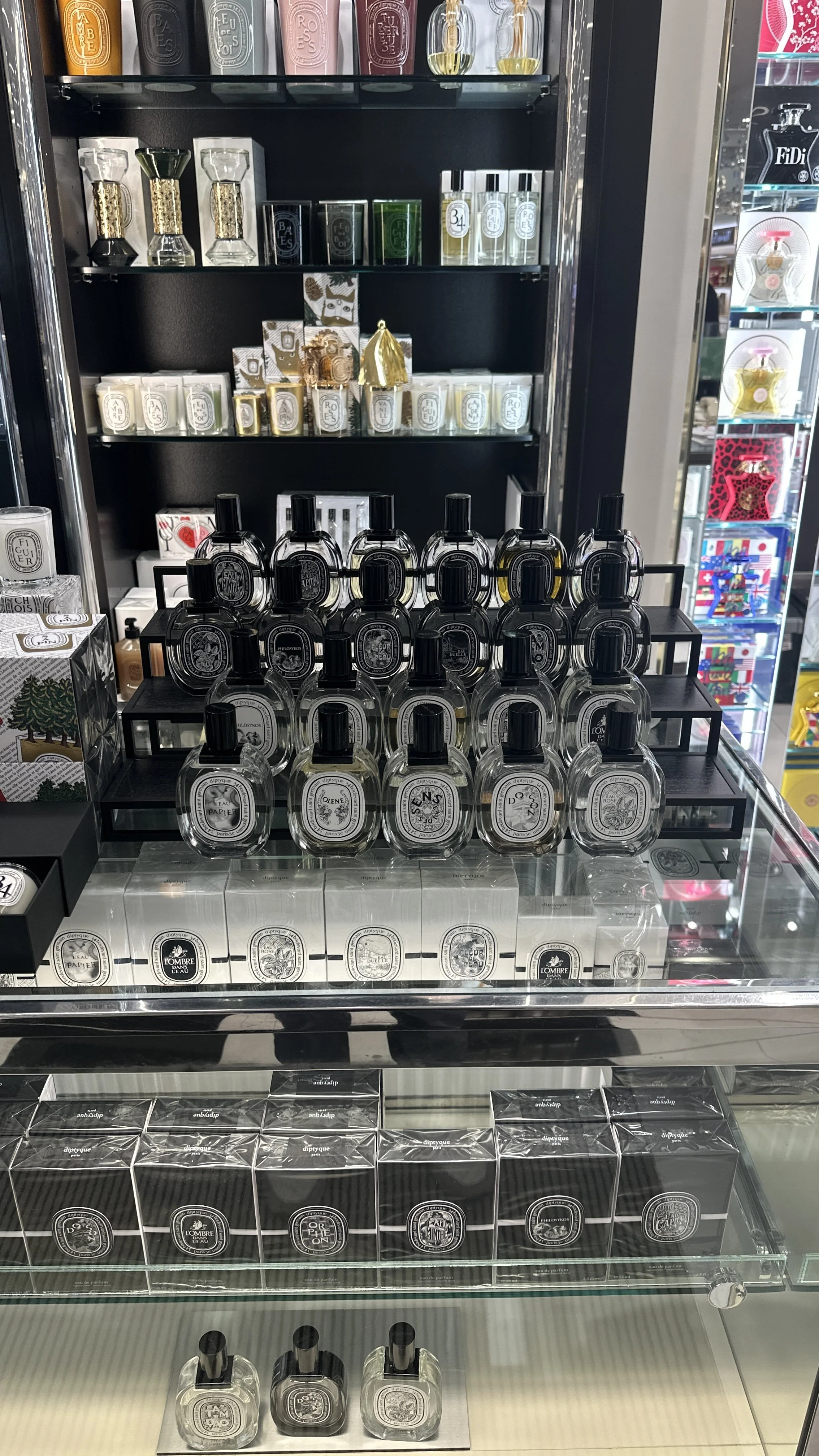
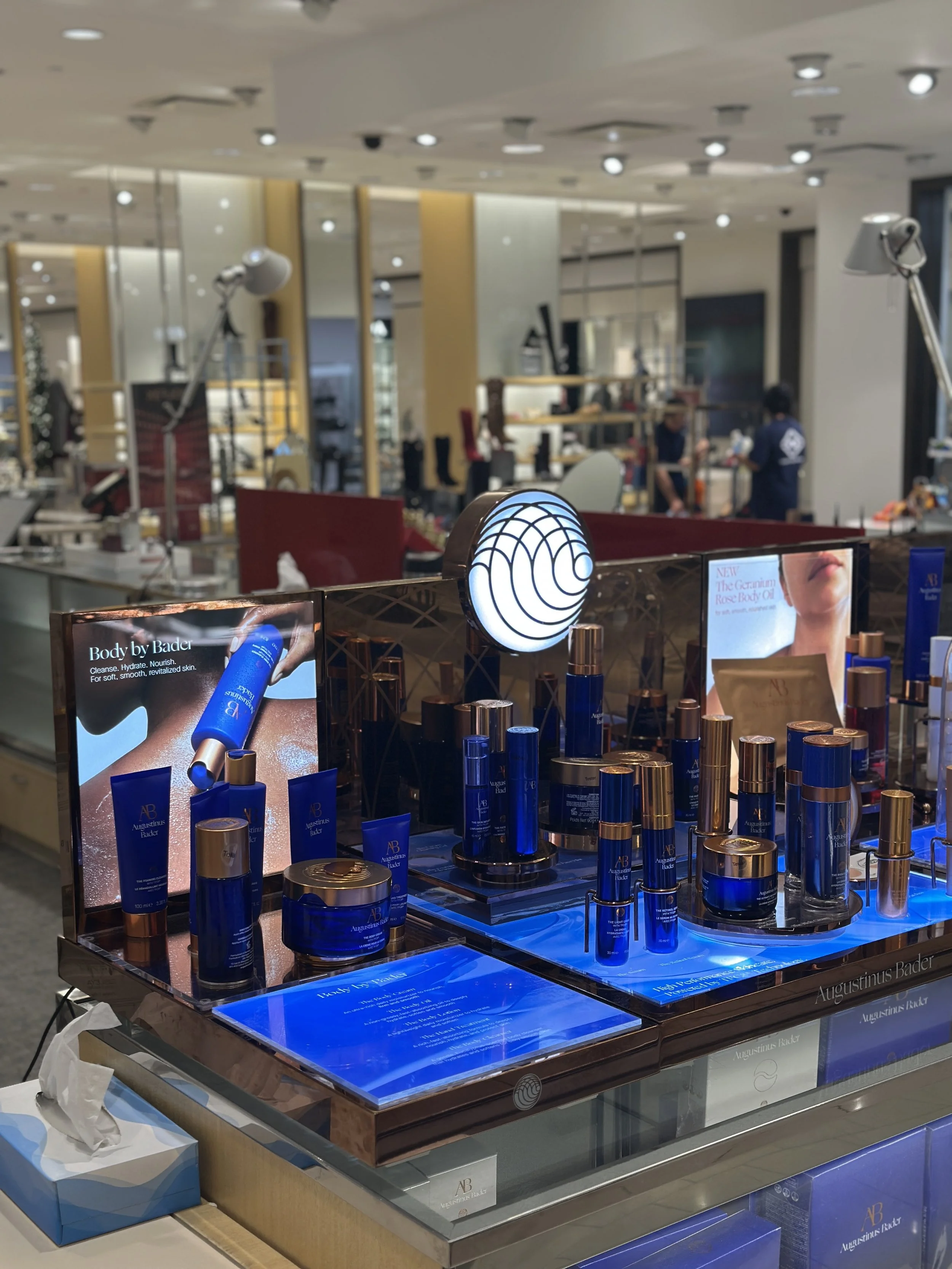
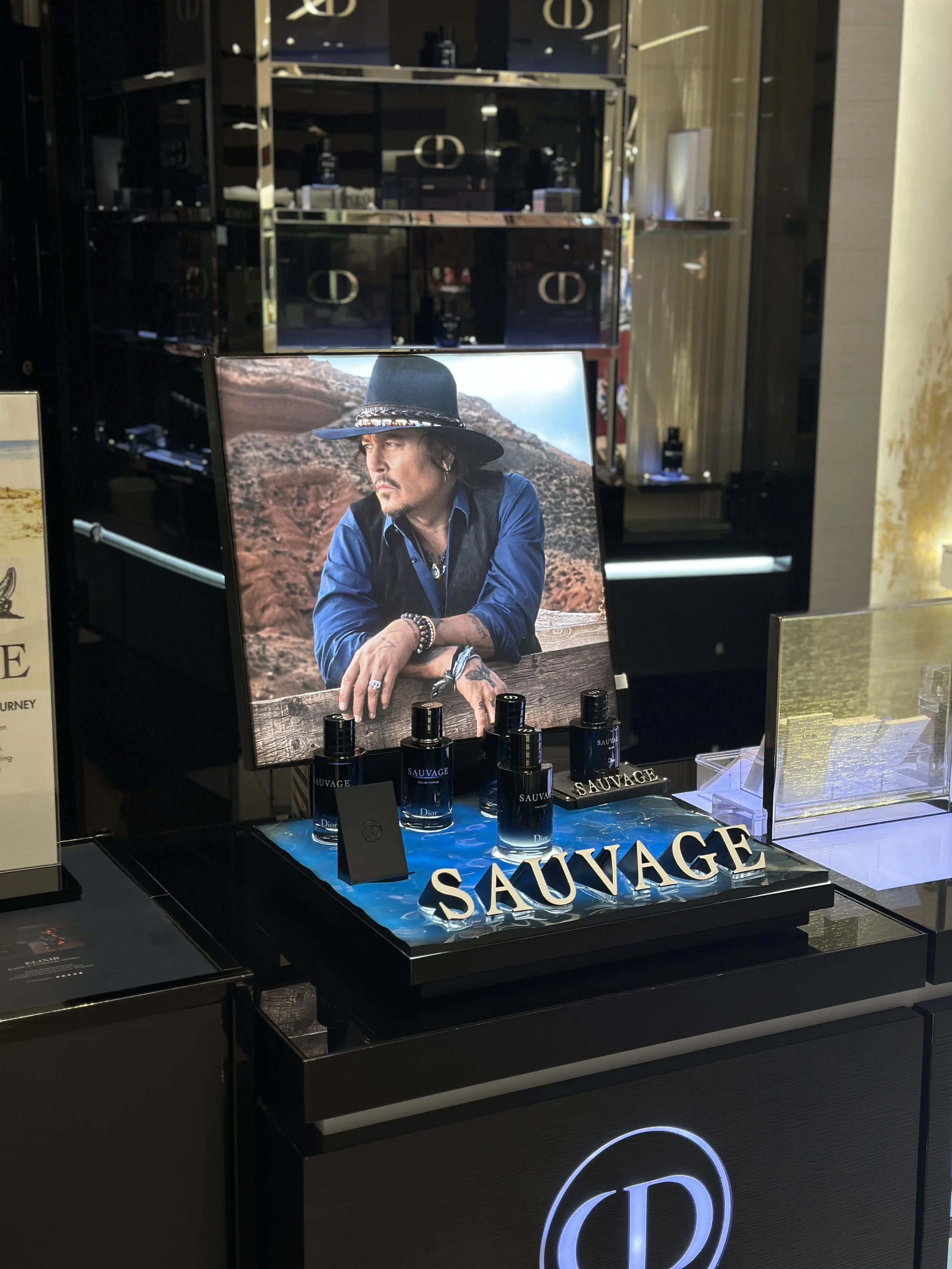
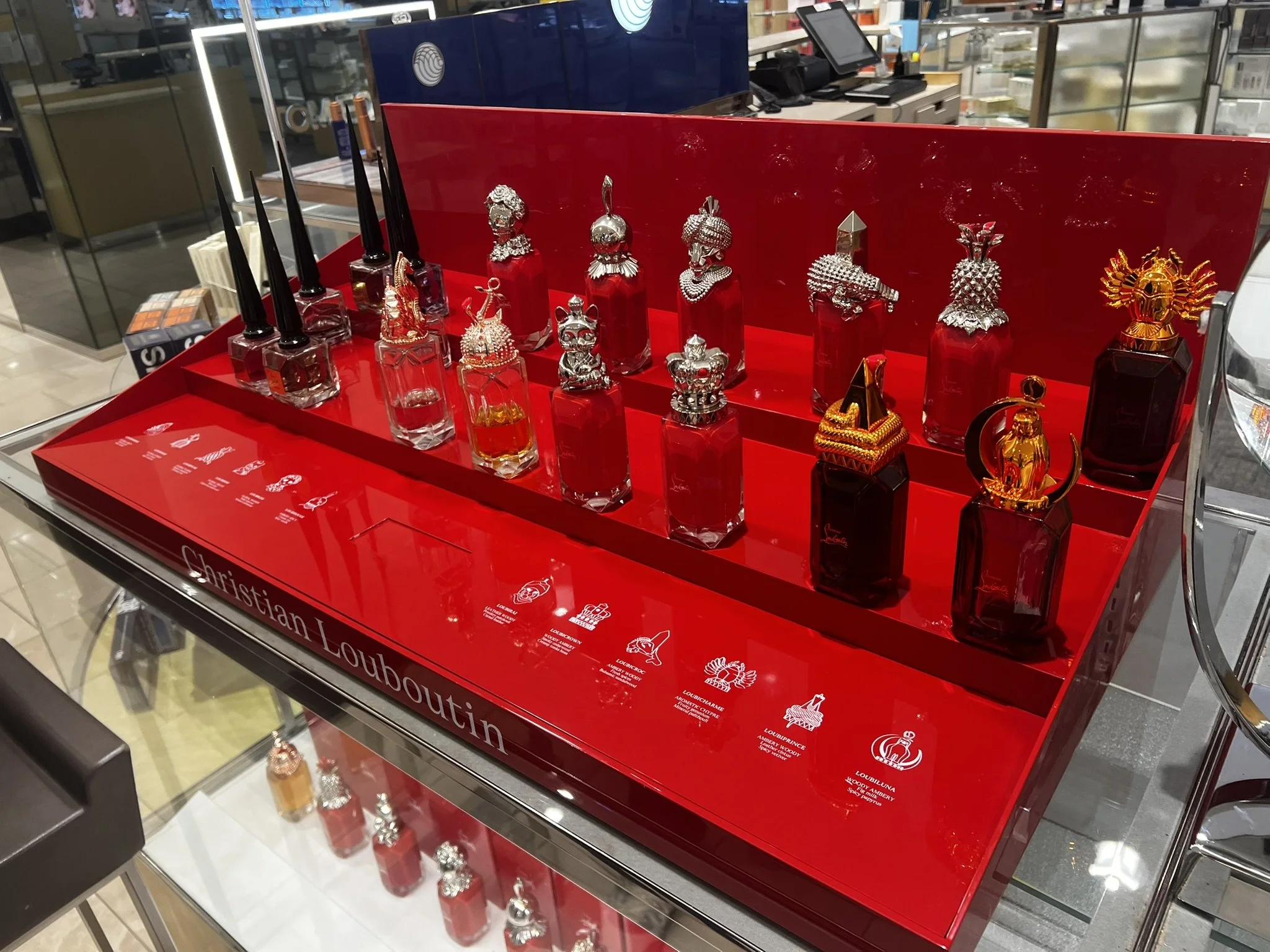
There is a disconnect between digital discovery and the physical retail space. Emotion is lost where purchasing decisions are still made.
How…
How do we design an embodied multi modal interactive experience that can draw people attention to an aroma product and augment their sensory experience of that product?
Design Intent
Create a non-intrusive robotic retail installation that elevates a brand in a crowded fragrance environment
Use motion, responsiveness, and multisensory cues to convey the emotional character of a scent
Respond to customer presence and interaction rather than demanding engagement
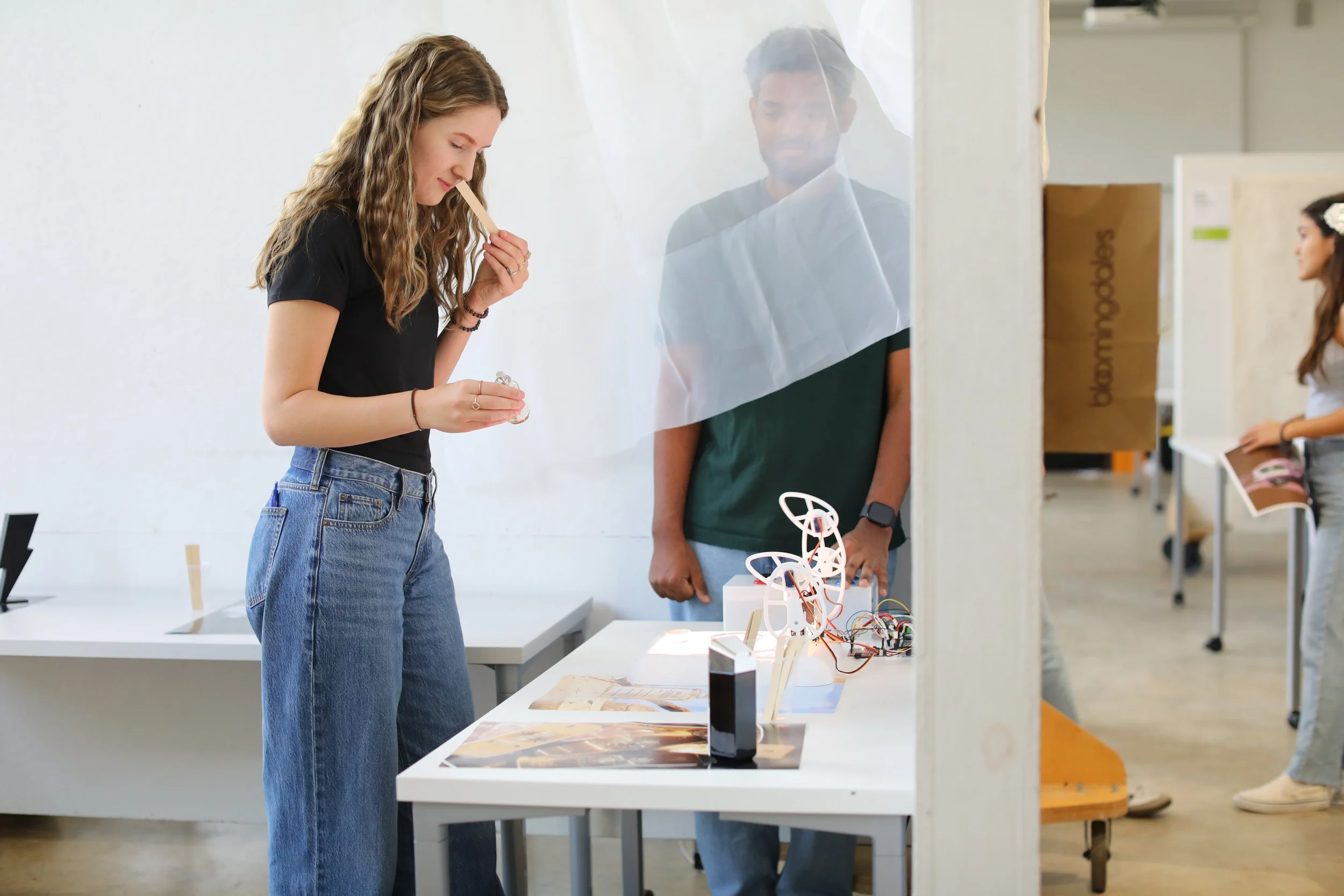
Participants felt interactive behavior could increase interest in lower-cost aroma products
Approach
Developed a behavior-first skeleton prototype to explore motion, presence, and emotional signaling
Tested the robot in a mock retail environment to evaluate realism and context to compared the interactive experience directly against traditional static fragrance displays
User Testing
What did we learn?
The most engaging moment was direct interaction making the experience feel personal and emotionally resonant
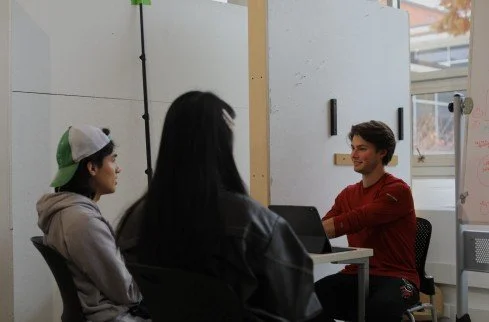
Participants were asked to shop naturally—sampling scents and exploring freely, as they would in a real retail setting. Post-interaction interviews captured perception, emotional response, and impact on product interest.
The robot consistently captured attention, even among participants with no intent to purchase

What…
The result:
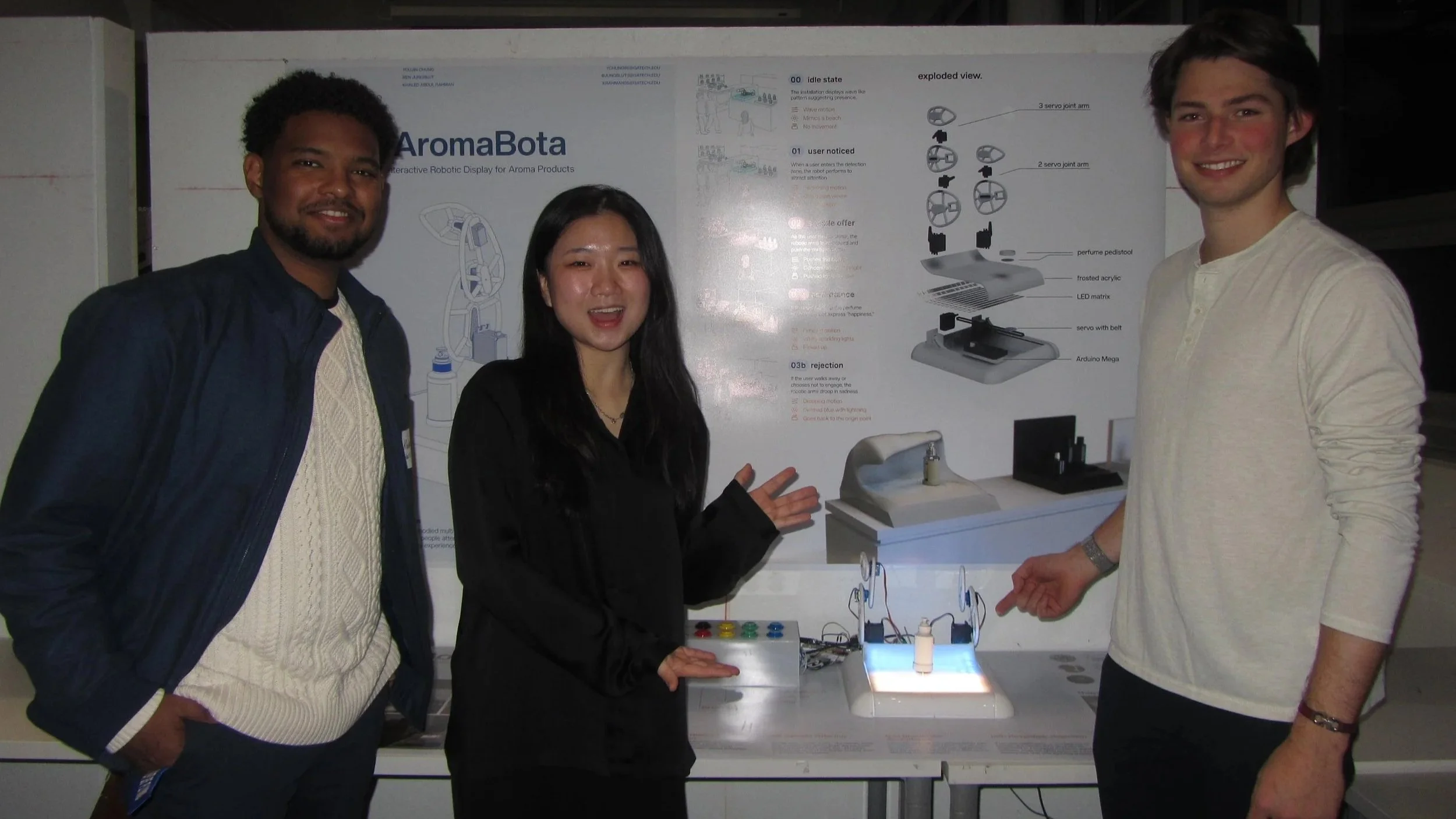
Idle Stage: Wave-like patterns suggest presence, with soft LED animations in warm blues and sandy yellows mimicking the calm, rolling ambience of a beach.
Attraction: Upon entering the detection zone, the robot beckons to attract attention while displaying a blue ocean wave animation.
Offering: As the user nears, the robotic arms lean forward and gently push the bottle toward them, while the LEDs concentrate around it to invite sampling.
Acceptance: If the user picks up the bottle, the robot dances playfully to express “happiness” as the platform lighting shifts from blue to glittery white.
Rejection: If the user walks away or chooses not to engage, the arms slowly droop to signal sadness as the LEDs fade into a muted, desaturated blue.
Future Considerations
Test more impulse driven products
Products with a lower price tag may have different behaviors of using during interaction
Increase direct user engagement
Direct interactions were favored; designing personal moments could strengthen connection

Aroma-bota got accepted into the: